products
-

Methanol
Wood alcohol or methanol is produced from petroleum product (synthesis gas) through hydrogenation of CO and CO2 and reverse gas-water shift reaction, doping of manganese catalyst to Cu/Zn/Zr can increase its production rate. Catalysts that have the ability to work at low temperatures, such as copper, are used for efficient methanol production.
-
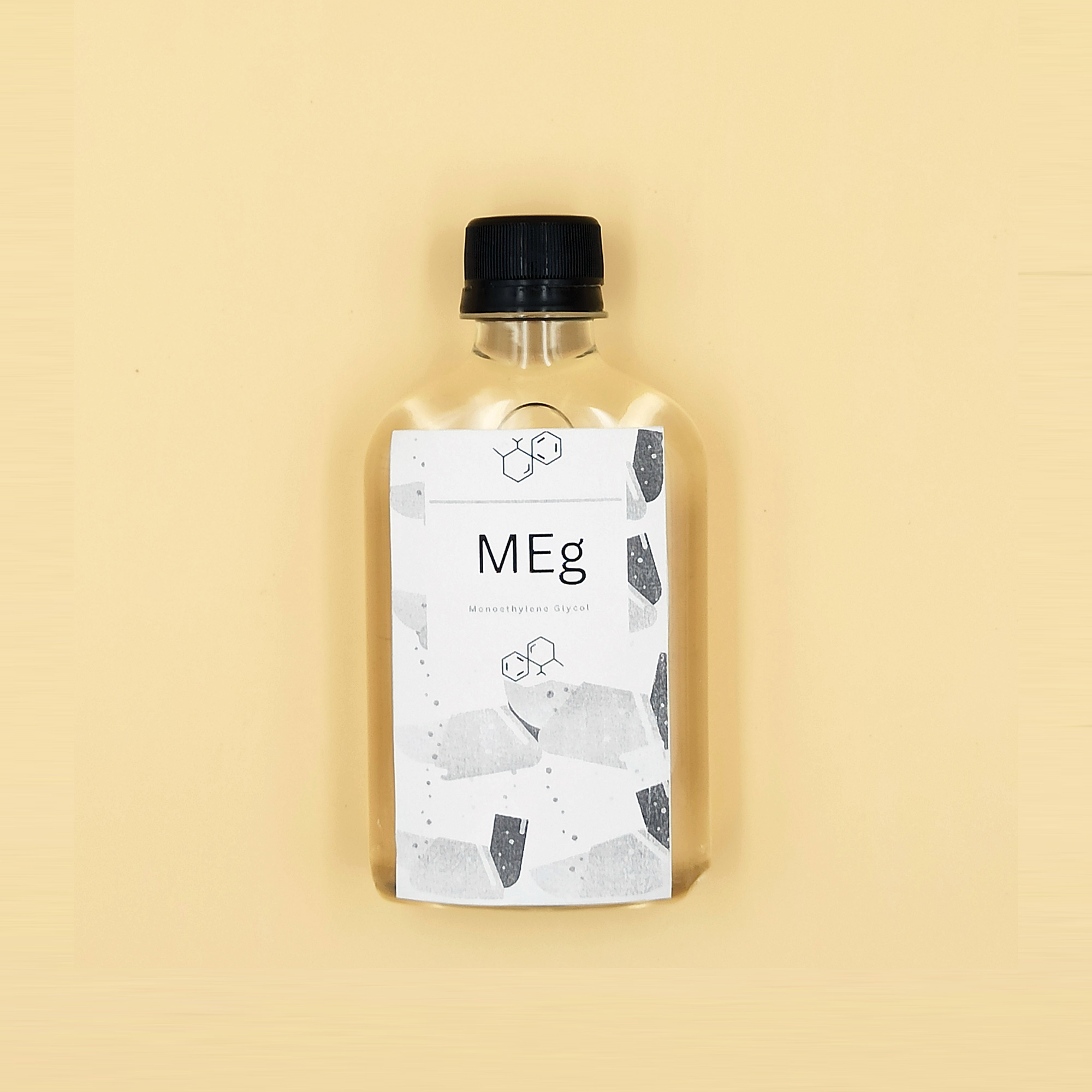
Monoethylene glycol or MEG
Monoethylene glycol is a liquid organic compound with the molecular formula C2H6O2. It is mainly used for two purposes, it is used as a raw material in the manufacture of polyester and polyethylene terephthalate fibers, and it is also one of the main materials for making antifreeze formulations. This liquid is odorless, colorless, sweet tasting, toxic and viscous and soluble in water
-
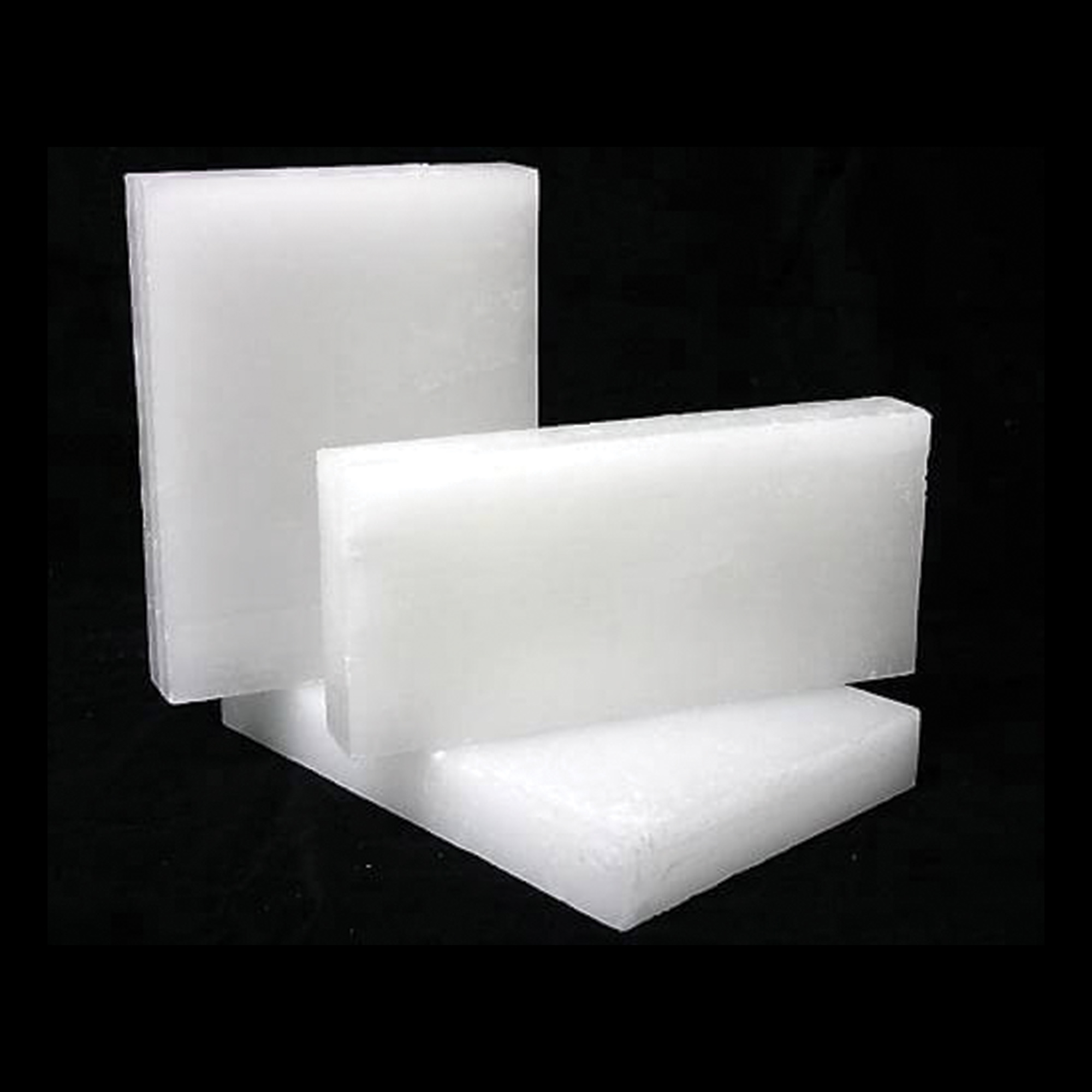
paraffin
Paraffin is also known by other names, some of the other names of paraffin are:
Saturated hydrocarbon: because paraffin consists of long hydrocarbon chains that are completely saturated
Wax: due to the widespread use of paraffin in the production of waxes and waxes, this name is used for it
-
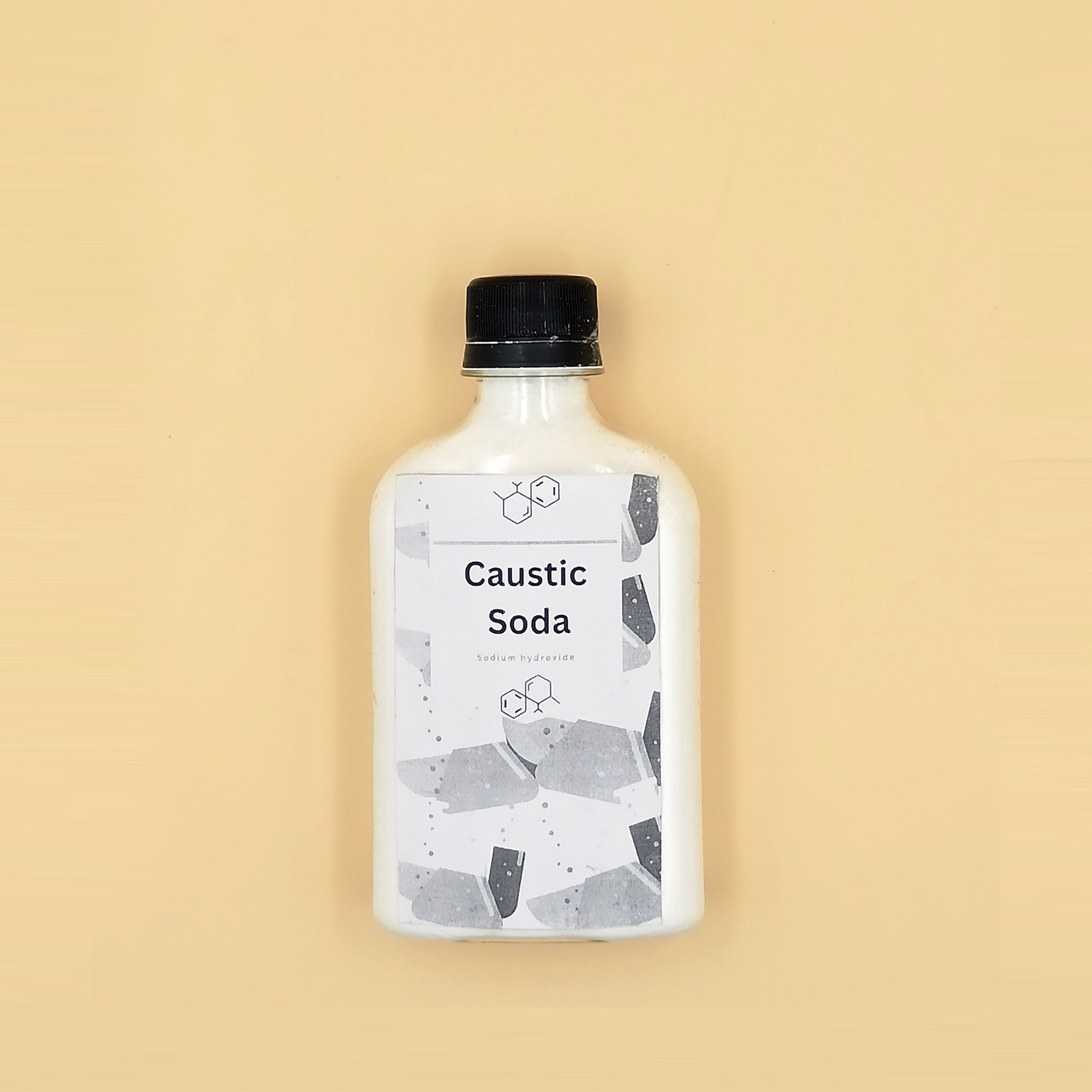
caustic soda flakes
Caustic soda or baking soda is one of the common names of sodium hydroxide (NaOH), which is also called caustic soda. Its common name is derived from its chemical identity as sodium hydrate and because it is caustic or corrosive. Caustic soda in its pure form is a white waxy solid. It easily absorbs water and forms aqueous solutions. Caustic soda or sodium hydroxide available in the market is usually sodium hydroxide monohydrate NaOH·H2O
-
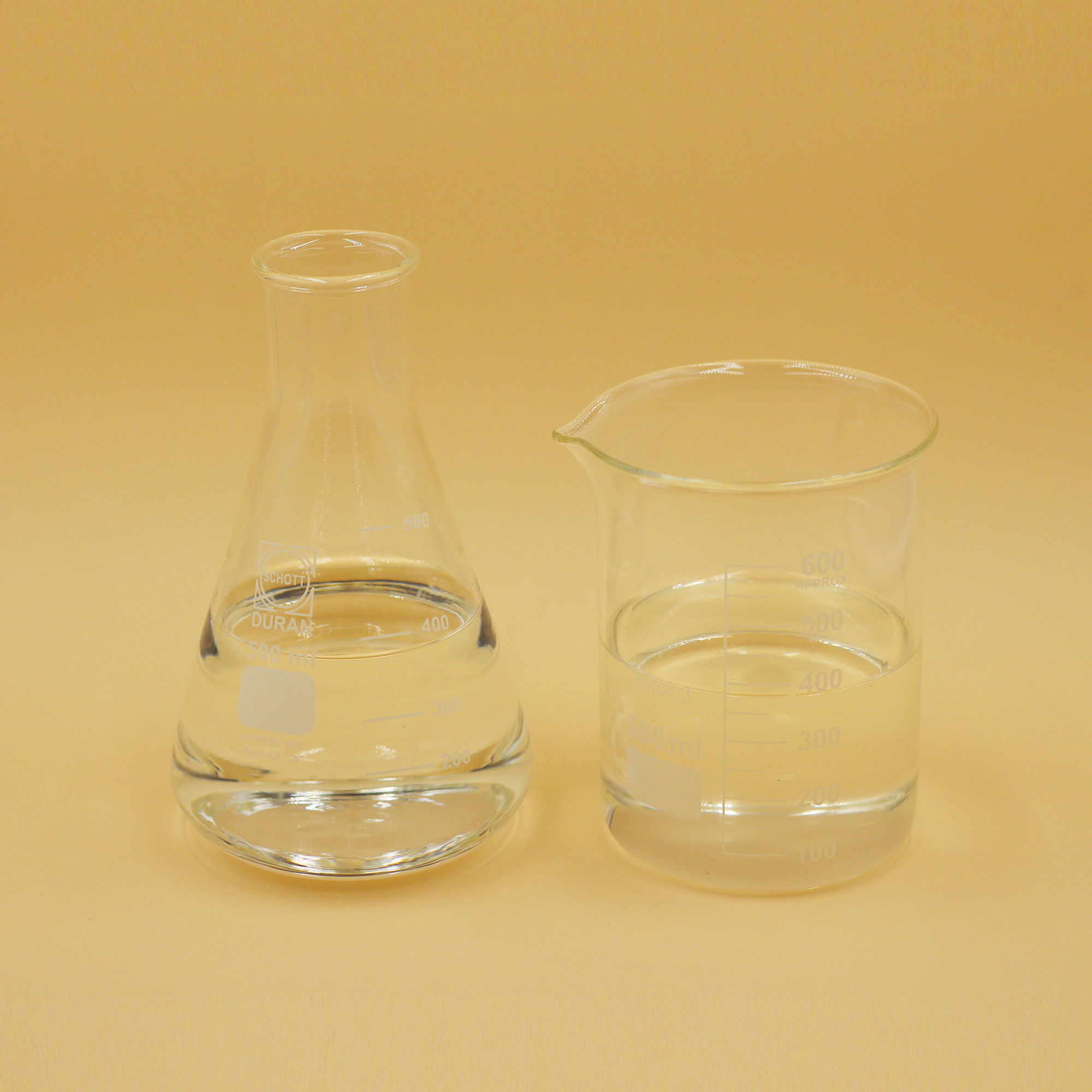
Diethanolamine
Features of diethanolam: This substance is a mineral compound that is pure and at room temperature in the form of white crystals with a smell similar to that of ammonia. This material is highly absorbent of moisture and when exposed to air, it becomes a viscous and colorless liquid. This compound is actually multi-agent and as an amine in its structure, it has alkaline properties and is soluble in water. DEA reacts with acids and produces soap and brine Applications of diethanolamine: It is an amino acid that is used in the preparation of soaps, surfactants, agricultural chemicals and textile processing
-

Lauramide (lauramide)
Loramide is a yellow viscous liquid, and since it is an oil, it does not dissolve in water and remains floating in water
But it is soluble in compounds such as alcohol, propylene glycol and polyethylene glycol
Its solution is mostly alkaline and it gets its alkaline property from the amine in its composition
-
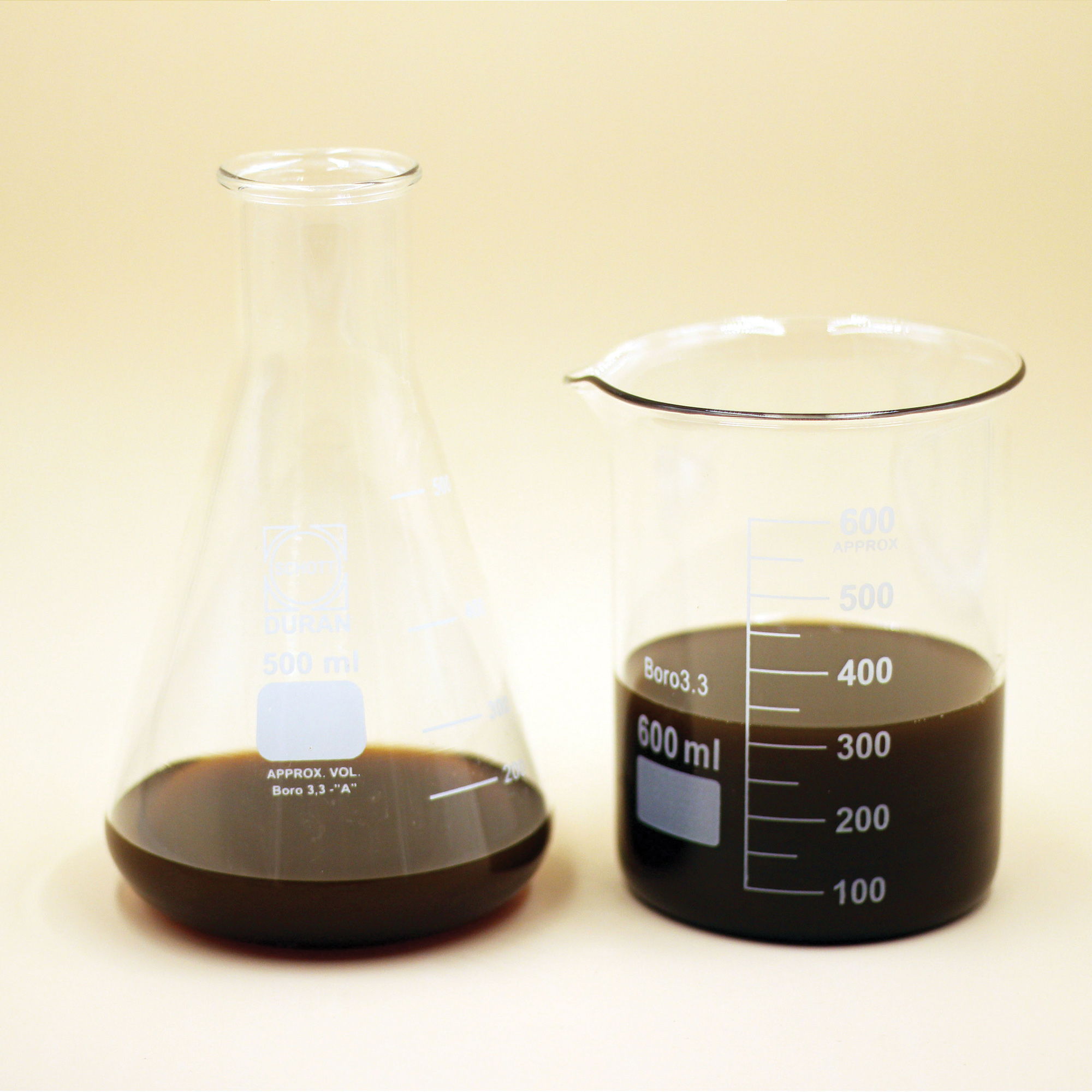
Sulfonic acid
Linear alkyl benzene sulfonic acidSulfonic acid is an anionic surfactant with molecules characterized by one hydrophobic group and one hydrophilic group. They are non-volatile compounds produced by sulfonation. Sulfenic acids are complex mixtures of homologues with different alkyl chain lengths from C10 to C13 or C14
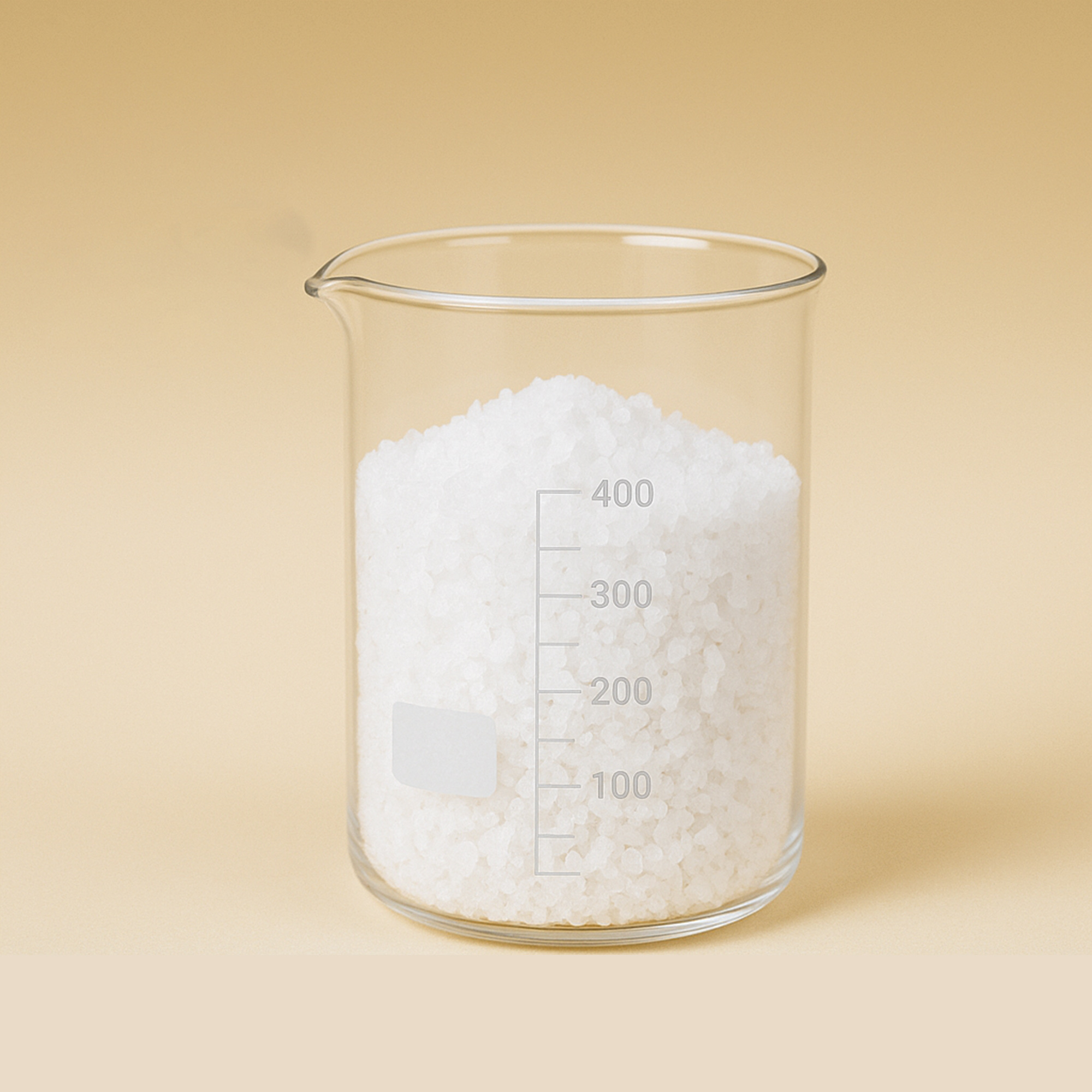
about us
-

Saba Chemical Trading Company operates in the preparation and supply of raw materials for detergents needed in domestic and foreign markets, providing logistics services, etc.
In order to achieve our goals and to satisfy our business partners, we have been able to provide the chemicals required by different markets at the lowest cost and the fastest. Speed, accuracy and cost reduction and satisfaction of business partners and manufacturers are our biggest goals.
The company's activities are carried out in four units as follows:

-
Acetic Acid and the Role of Saba Shimi Mehr in Chemical Industries
Acetic acid (CH3COOH) is one of the most critical chemical compounds in the industry. Due to its unique properties, it is utilized across diverse sectors ranging from food production to pharmaceuticals. Known commonly as ethanoic acid, this weak acid is recognized as a fundamental building block in the synthesis of organic compounds. In Iran, leading companies such as Saba Shimi Mehr play a key role in meeting domestic industrial demands by focusing on the production and distribution of high-quality chemicals. By leveraging modern technologies, this company produces and supplies acetic acid in accordance with global standards.
-
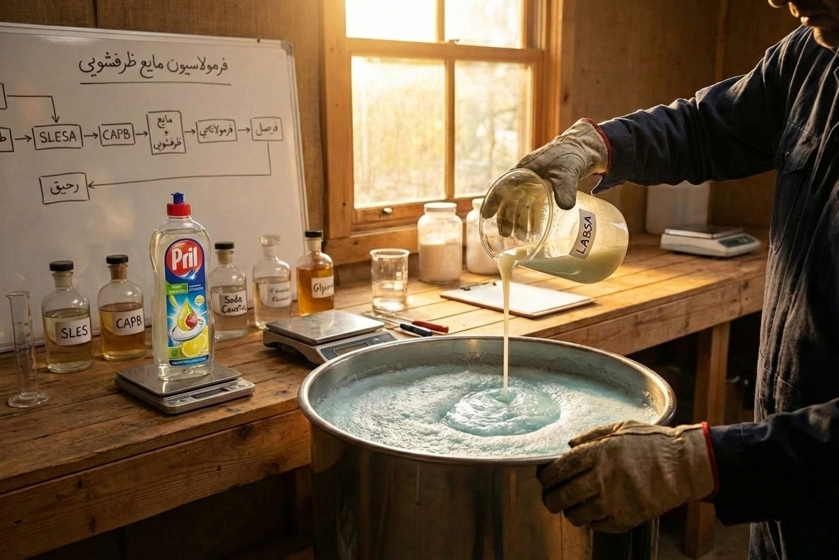
how to make dish washer
The materials needed to make the dishwashing liquid formulation are: linear alkylbenzene sulfonic acid (LABSA), sodium hydroxide (caustic soda), cocoamidopropyl betaine (CAPB), coconut diethanolamide (CDEA), sodium lauryl ether sulfate (SLES), Sodium Lauryl Sulfate (SLES), Propylene Glycol, Glycerin, Color, Fragrance and Water.
-
how to make hair shampoo
Do you want to produce shampoo for a specific type of hair? Oily hair, dry hair, dandruff, etc.? While essentially the same formula is required to produce all of the above products, you can add and modify specific ingredients for specific markets. The AustraLab program includes many shampoos, conditioners, styling aids and finished product formulas that you can tweak to create endless combinations. You can start your own profitable business as a private label hair care manufacturer or make conditioners and shampoos for your salon.
-
how to make toilet liquid
Commercial and economic grade liquid soap formulation The ingredients required to make the liquid toilet soap formulation are: water, sodium lauryl ether sulfate (70%), sodium lauryl sulfate, softener, foam enhancer, skin softener, vitamin E, glycerin acid, glycerin, glycerin, glycerin, Glycerin, glycerin and fatty acids, fragrance