caustic soda flakes
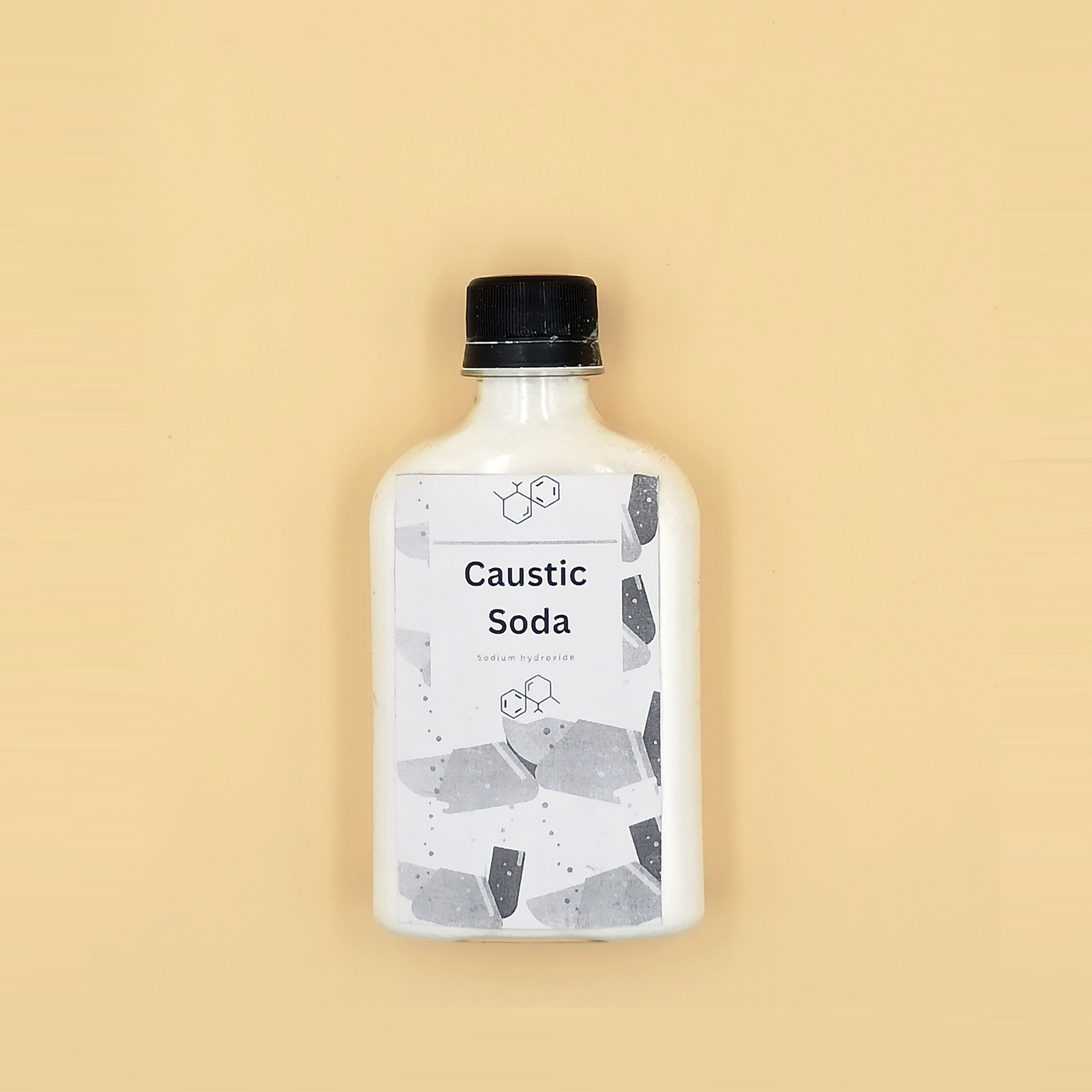
Caustic soda or baking soda is one of the common names of sodium hydroxide (NaOH), which is also called caustic soda. Its common name is derived from its chemical identity as sodium hydrate and because it is caustic or corrosive. Caustic soda in its pure form is a white waxy solid. It easily absorbs water and forms aqueous solutions. Caustic soda or sodium hydroxide available in the market is usually sodium hydroxide monohydrate NaOH·H2O
Key points of Caustic Soda Flakes
Product name: Sood Perak
Scientific name: sodium hydroxide
Other names: caustic soda - caustic soda flakes - solid caustic soda - caustic soda
Appearance: flakes and chips like white color
Packaging type: 25 kg double-walled bag
Solubility in: water - glycerin - propylene glycol - methanol
Production of Caustic Soda Flakes
Caustic soda is produced industrially with a purity of 50% and through the electrolysis of sodium chloride salt in a method called "chloralkali". Chlorine gas is also one of the side products of liquid soda factory. Then, to solidify it, it is done in the Sood Perak factory by evaporating the water in the liquid caustic soda. The final product is soda flakes, which is called Caustic Soda Flakes in Latin. The non-industrial method of producing sodium hydroxide is through the combination of pure sodium metal and water. During this reaction, hydrogen gas and heat are released. This method is not industrially possible and is a laboratory method.
Applications of caustic soda (baking soda)
This combination has many applications and is widely used in making candles or soap, paper production, detergents, etc.
Perc soda is a co-product during the production of chlorine in the chlor-alkali process and is dangerous to eat and can lead to damage to human tissues
This substance is used to remove fats and clogging of pipes with fat. Baking soda in solid or liquid form can turn fats into soap and then dissolve them in water and clean surfaces from fats.
Pure caustic soda is used to make candles or soap.
Gross caustic soda is found in sewage cleaners.
Caustic soda is used for soap making, candle making, freezing glass, and for chemical experiments
When dissolving baking soda in water in a container, it reacts very hot because this reaction is very exothermic.
instructions
For many cases it is necessary to first dissolve caustic soda in water. Due to the risks that doing this can have, this operation should be done with caution and according to safe instructions
Before working with this material, it is necessary to use a mask, gloves and glasses
Solution steps:
- According to the instructions, pour a sufficient amount of water in a Pyrex flask (due to the high temperature), the ideal is to use cold water
- Measure the required amount of caustic and add it to the water. This action should not be too fast or too slow. You should always add caustic soda to water and never do the opposite
- Using a teflon spoon, stir the mixture without shaking. A hard layer will form at the bottom and the mixture will become cloudy, which is normal. Never use a blender
Keep the container closed and away from moisture. Caustic soda absorbs water and reacts with it
Keep Sood Perk away from children and pets. Touching or eating it can cause severe chemical burns
Use gloves or containers to work with caustic soda
Perform reactions involving this chemical in a well-ventilated room or outdoors. This reaction releases heat and harmful fumes
Selection of tanks and bags
When storing this composition, three important factors should be considered:
- The dangerous and corrosive nature of this material, which can be very harmful for employees
- The viscosity of the liquid type of this compound increases rapidly at temperatures below 16 degrees Celsius, so the storage temperature of this material must be higher than this point
- The weight of 50% liquid sodium hydroxide is 1.5 times that of water (with the same volume)
Solid caustic soda is generally stored in thin steel drums, and choosing tanks made of aluminum, tin, zinc and its alloys, chromium and lead can cause serious damage. For example, in aluminum tanks, as a result of the reaction of these two materials with each other, in the presence of heat, highly flammable hydrogen gas is produced
Sood Perak is generally kept in dram or paper bags covered with PVC. In the following, we will get acquainted with the maintenance conditions in each of these cases
To ensure the stability of the product, the bags should always be placed in a warehouse with an air conditioner to remove moisture and cool
If storage in the outdoor environment is unavoidable, the bags should be covered with black polyethylene to protect them from moisture and sunlight
Protect from direct contact with air to prevent absorption of moisture and carbon dioxide
Sudperak packaging:
Sood Perak is packed in 25 kg bags

-
Acetic Acid and the Role of Saba Shimi Mehr in Chemical Industries
Acetic acid (CH3COOH) is one of the most critical chemical compounds in the industry. Due to its unique properties, it is utilized across diverse sectors ranging from food production to pharmaceuticals. Known commonly as ethanoic acid, this weak acid is recognized as a fundamental building block in the synthesis of organic compounds. In Iran, leading companies such as Saba Shimi Mehr play a key role in meeting domestic industrial demands by focusing on the production and distribution of high-quality chemicals. By leveraging modern technologies, this company produces and supplies acetic acid in accordance with global standards.
-
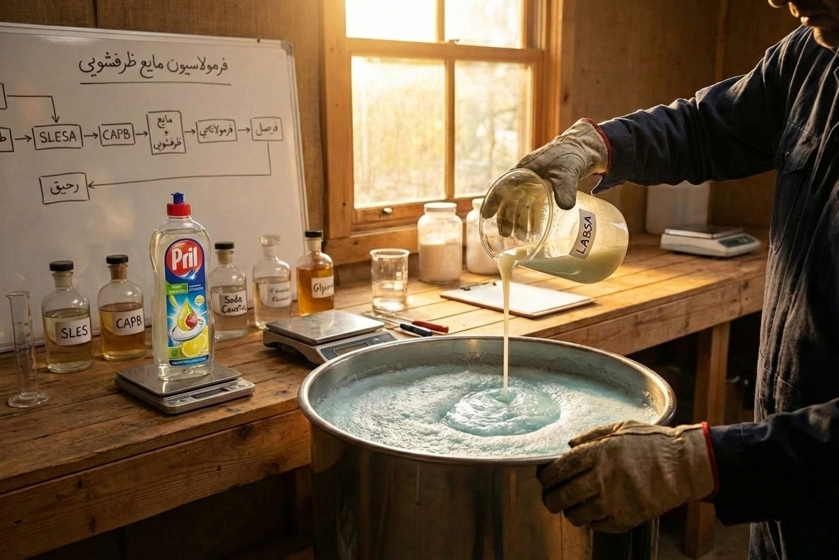
how to make dish washer
The materials needed to make the dishwashing liquid formulation are: linear alkylbenzene sulfonic acid (LABSA), sodium hydroxide (caustic soda), cocoamidopropyl betaine (CAPB), coconut diethanolamide (CDEA), sodium lauryl ether sulfate (SLES), Sodium Lauryl Sulfate (SLES), Propylene Glycol, Glycerin, Color, Fragrance and Water.
-
how to make hair shampoo
Do you want to produce shampoo for a specific type of hair? Oily hair, dry hair, dandruff, etc.? While essentially the same formula is required to produce all of the above products, you can add and modify specific ingredients for specific markets. The AustraLab program includes many shampoos, conditioners, styling aids and finished product formulas that you can tweak to create endless combinations. You can start your own profitable business as a private label hair care manufacturer or make conditioners and shampoos for your salon.
-
how to make toilet liquid
Commercial and economic grade liquid soap formulation The ingredients required to make the liquid toilet soap formulation are: water, sodium lauryl ether sulfate (70%), sodium lauryl sulfate, softener, foam enhancer, skin softener, vitamin E, glycerin acid, glycerin, glycerin, glycerin, Glycerin, glycerin and fatty acids, fragrance