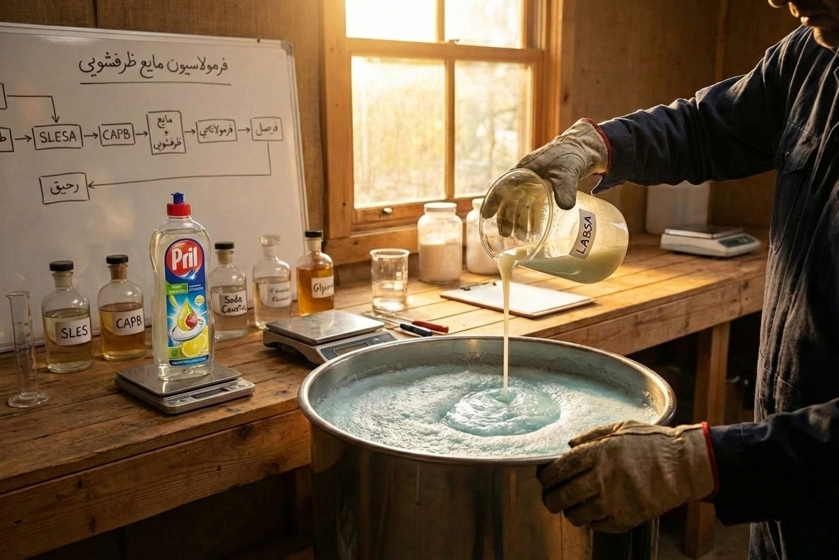
how to make dish washer
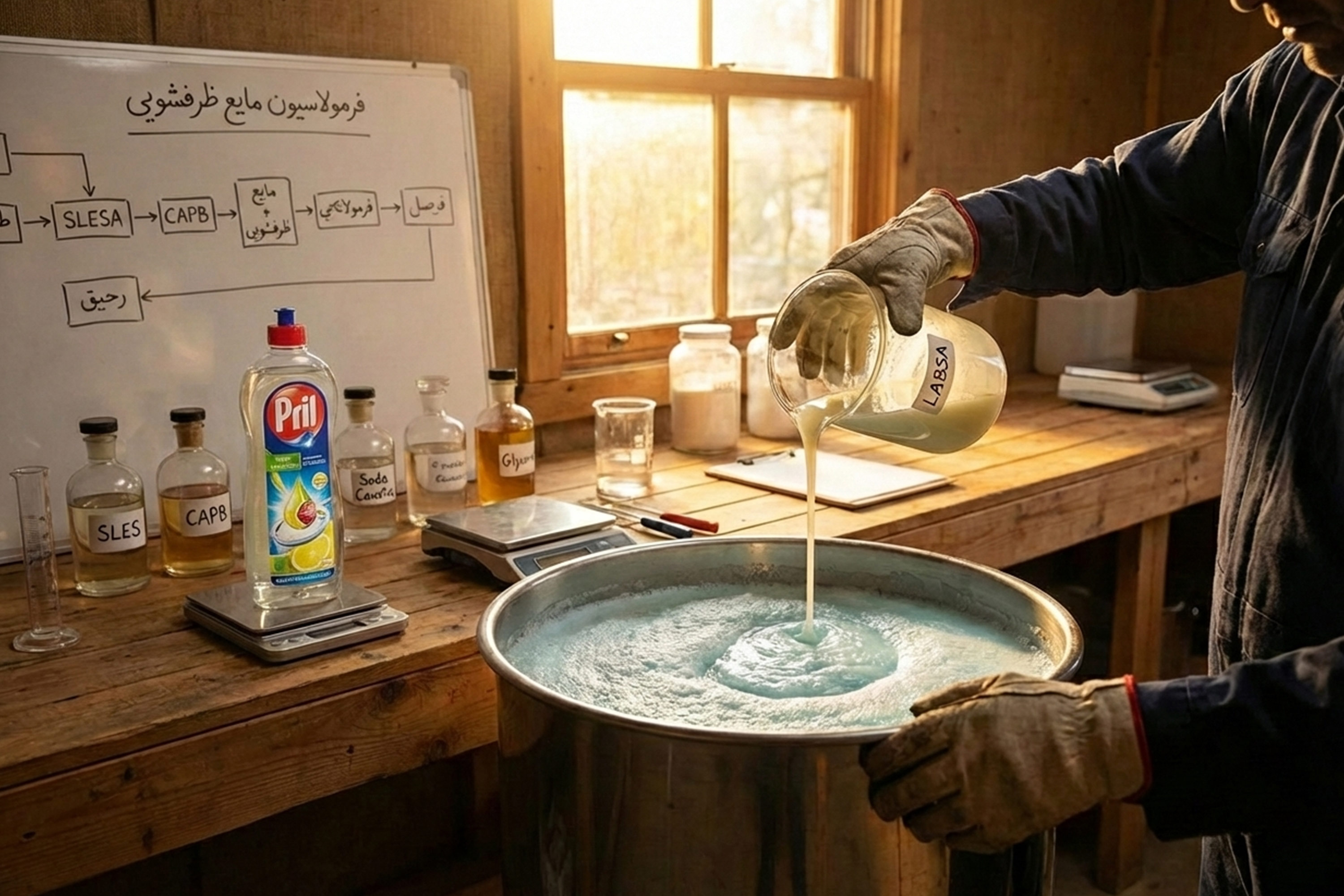
The materials needed to make the dishwashing liquid formulation are: linear alkylbenzene sulfonic acid (LABSA), sodium hydroxide (caustic soda), cocoamidopropyl betaine (CAPB), coconut diethanolamide (CDEA), sodium lauryl ether sulfate (SLES), Sodium Lauryl Sulfate (SLES), Propylene Glycol, Glycerin, Color, Fragrance and Water.
The formula for making a dishwasher
The ingredients needed to make the dishwashing liquid formulation are: linear alkylbenzene sulfonic acid (LABSA), sodium hydroxide (baking soda), cocoamidopropyl betaine (CAPB), coconut diethanolamide (CDEA), sodium lauryl ether sulfate (SLES), sodium Lauryl Sulfate (SLS), Propylene Glycol, Glycerin, Color, Fragrance and Water.
Components of dishwashing liquid formulation
- Surface activators: including anionic groups such as sulfonic acid and texapone
- Emollients and moisturizers: like glycerin
- Fillers: sulfates, salts
- Neutralizers: caustic soda such as alkenoamines
- Additional materials: paint and essential oil
Active substances at the basic level: these types of active substances at the basic level are responsible for the main cleaning action and their amount in the dishwashing liquid formulation is between 10 and 40%.
Basic active substances are mainly of the following anionic types:
- Alkyl benzene sulfate group (linear) (LABS)
- Alkane sulfonate group (AS)
- Fatty alcohol sulfate group (FAS)
- Fatty alcohol glycol ether sulfate group (FAEOS)
Active substances on the secondary level: these substances are added in low amounts to the dishwashing liquid formulation. These materials alone do not have good cleaning properties, but when mixed with basic active materials, they give good physical properties and efficiency to the dishwashing liquid formulation. This means that they cause uniformity, increase the viscosity and stability of the foam, and at the same time, they are responsible for protecting the skin and creating compatibility with it.
Two important groups that are used in this situation are:
- Alkanol amides of fatty acids, especially C10-C14 acids
- Betaines
- Amine oxides
- Hydrotropes
| Suphonic acid | 17.5% |
| Sodium hydroxide | 3% |
| Cocoamido propyl betaine (CAPB) | 5% |
| coconut diethanolamide (CDEA) | 2.5% |
| Sodium lauryl ether sulfate (SLES)) | 10% |
| Sodium Lauryl Sulfate (SLS) | %2 |
| Propylene glycol | 0.5% |
| Glycerin | 5% |
| Color | ~ |
| perfume | ~ |
| Water | 100% |
construction processes:
The manufacturing process used in dishwashing formulations still requires practice to balance the pH. This product is formed by the reaction of acid and base. Therefore, it needs proper care and ventilation. This formula contains some other chemicals (conditioners) that protect the hands from the harsh effects of chemicals.
Dishwashing liquid production is divided into two parts:
Acid neutralization
Addition of other products
We will discuss the steps required for the above mentioned parts separately:
Acid neutralization:
First, pour about a quarter of the volume of water in a separate container and add the amount of sodium hydroxide in it. Stir the mixture for a few minutes and let it cool.
Meanwhile, pour the rest of the water into the blender and turn on the motor to mix the water.
Add the LABSA to the swirling water and let it dissolve completely.
Now start adding the sodium hydroxide solution in the mixing bowl. Monitor the pH using a pH meter. Stop where you get a safe pH of around 6.5-7.5.
Addition of other ingredients
After neutralizing the acid, add the chemicals in the following order:
Color
perfume
Glycerin
Propylene glycol
Sodium Lauryl Sulfate (SLS)
Sodium Lauryl Ether Sulfate (SLES)
Coconut Diethanolamide (CDEA)
Cocoamido propyl betaine (CAPB)
important points:
- Wear goggles, gloves and masks when working with acids and bases.
- Try to balance the pH in a small amount and then make the same proportion in the larger ham.
- When working with alcohol, keep flammable objects away.
- Do not look into the container while adding all the chemicals as the SLS fumes in the air and the alcohol evaporates.
- If you want a thicker dishwashing liquid, you can add some sodium chloride table salt to it.
If you need any of the chemicals listed above, you can buy them here.
-
Acetic Acid and the Role of Saba Shimi Mehr in Chemical Industries
Acetic acid (CH3COOH) is one of the most critical chemical compounds in the industry. Due to its unique properties, it is utilized across diverse sectors ranging from food production to pharmaceuticals. Known commonly as ethanoic acid, this weak acid is recognized as a fundamental building block in the synthesis of organic compounds. In Iran, leading companies such as Saba Shimi Mehr play a key role in meeting domestic industrial demands by focusing on the production and distribution of high-quality chemicals. By leveraging modern technologies, this company produces and supplies acetic acid in accordance with global standards.
-
how to make dish washer
The materials needed to make the dishwashing liquid formulation are: linear alkylbenzene sulfonic acid (LABSA), sodium hydroxide (caustic soda), cocoamidopropyl betaine (CAPB), coconut diethanolamide (CDEA), sodium lauryl ether sulfate (SLES), Sodium Lauryl Sulfate (SLES), Propylene Glycol, Glycerin, Color, Fragrance and Water.
-
how to make hair shampoo
Do you want to produce shampoo for a specific type of hair? Oily hair, dry hair, dandruff, etc.? While essentially the same formula is required to produce all of the above products, you can add and modify specific ingredients for specific markets. The AustraLab program includes many shampoos, conditioners, styling aids and finished product formulas that you can tweak to create endless combinations. You can start your own profitable business as a private label hair care manufacturer or make conditioners and shampoos for your salon.
-
how to make toilet liquid
Commercial and economic grade liquid soap formulation The ingredients required to make the liquid toilet soap formulation are: water, sodium lauryl ether sulfate (70%), sodium lauryl sulfate, softener, foam enhancer, skin softener, vitamin E, glycerin acid, glycerin, glycerin, glycerin, Glycerin, glycerin and fatty acids, fragrance