Monoethylene glycol or MEG
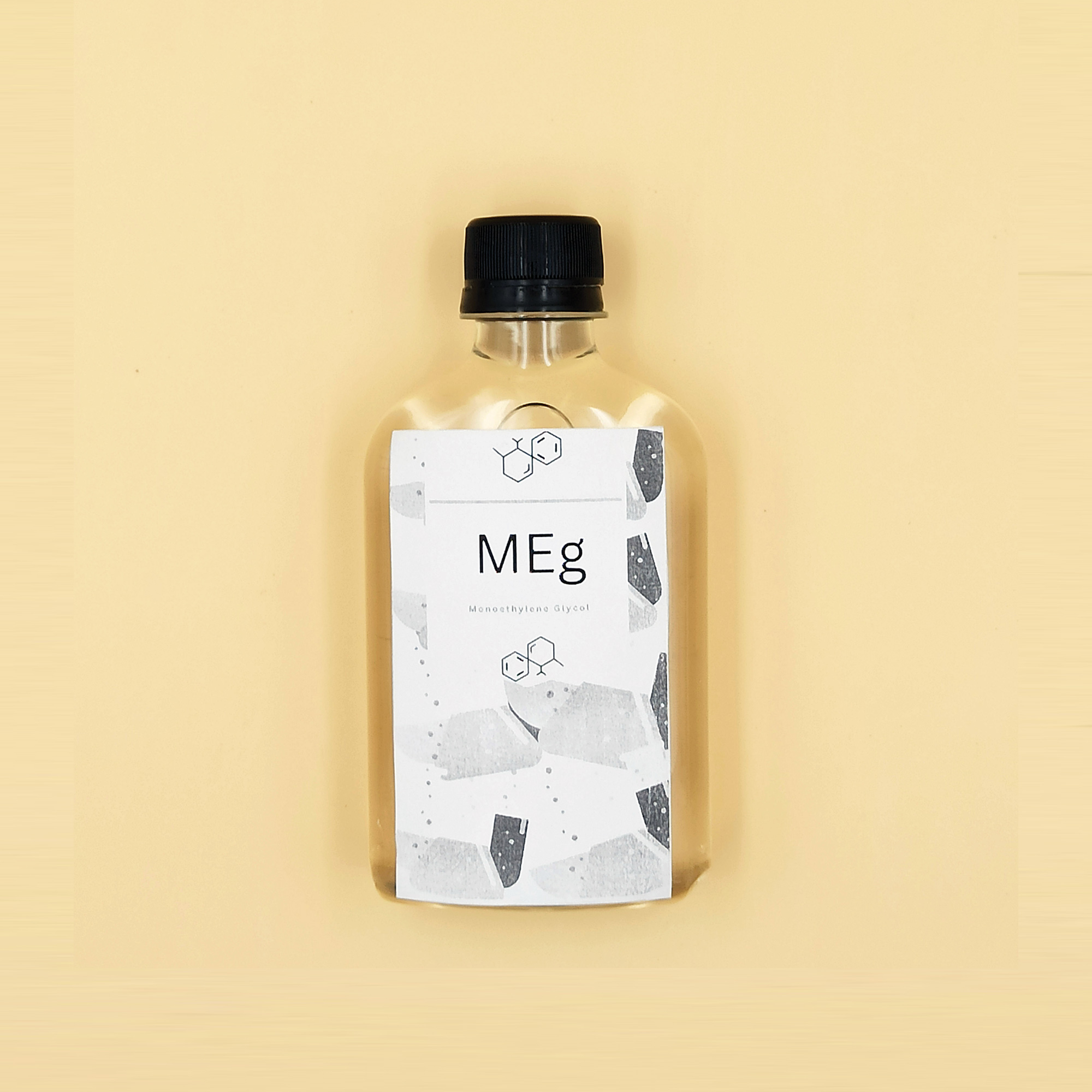
Monoethylene glycol is a liquid organic compound with the molecular formula C2H6O2. It is mainly used for two purposes, it is used as a raw material in the manufacture of polyester and polyethylene terephthalate fibers, and it is also one of the main materials for making antifreeze formulations. This liquid is odorless, colorless, sweet tasting, toxic and viscous and soluble in water
Monoethylene glycol is also known as ethane-1,2-diol, or MEG, and antifreeze
Table of technical specifications of monoethylene glycol (Monoethylene glycol) or MEG
name of the material:
Monoethylene glycol or MEG
Chemical formula of monoethylene glycol : C2H6O
boiling point : 198 °C
Molecular weight : 62.068 g/mol
Appearance : Clear colorless liquid
density : 1.1132 g/cm3
melting point : -12.9 °C
Solubility : It is soluble in organic solvents.
steam pressure : 0.06mmHg
viscosity : 1.61×10⁻² Pa·s
Applications of monoethylene glycol (Monoethylene glycol)
Monoethylene glycol or MAG is a vital ingredient for the production of polyester fibers and films, polyethylene terephthalate resins, and engine coolants
End uses of monoethylene glycol include clothing and other textiles, packaging, kitchenware, engine coolant, and antifreeze. Polyester and woolen fabrics, upholstery, carpets and pillows, as well as light and strong polyethylene terephthalate containers and food containers originate from ethylene glycol. The wetting properties (water absorption) of MEG products also make them ideal for use in the treatment of fibers, paper, adhesives, printing inks, leather and cellophane
Health risks of monoethylene glycol (Monoethylene glycol)
The chemical is highly toxic when ingested, and the main danger is its sweet taste, which encourages more consumption. This increases the risk to animals and children. Ingestion of sufficient amounts is fatal if not treated by oxidizing ethylene glycol in the body to glycolic acid and then to the toxic chemical, oxalic acid. Consumption of MEG affects the central nervous system and heart and can cause acute kidney failure
Eye exposure to monoethylene glycol vapors can cause irritation, so goggles are recommended when handling chemicals. Exposure to liquid ethylene glycol can cause serious eye damage. In case of contact with eyes, rinse immediately with plenty of water and seek medical attention
Skin exposure to monoethylene glycol can also cause irritation, so gloves should be worn. If the skin becomes contaminated, all wet clothing should be removed and the skin washed with water. Exposure to high levels of inhaled ethylene glycol can cause respiratory irritation and unbearable coughing. In case of excessive inhalation, the person should leave the environment, breathe fresh air and seek medical attention
Monoethylene glycol or MEG packaging: supplied in a 230 kg barrel
-
Acetic Acid and the Role of Saba Shimi Mehr in Chemical Industries
Acetic acid (CH3COOH) is one of the most critical chemical compounds in the industry. Due to its unique properties, it is utilized across diverse sectors ranging from food production to pharmaceuticals. Known commonly as ethanoic acid, this weak acid is recognized as a fundamental building block in the synthesis of organic compounds. In Iran, leading companies such as Saba Shimi Mehr play a key role in meeting domestic industrial demands by focusing on the production and distribution of high-quality chemicals. By leveraging modern technologies, this company produces and supplies acetic acid in accordance with global standards.
-
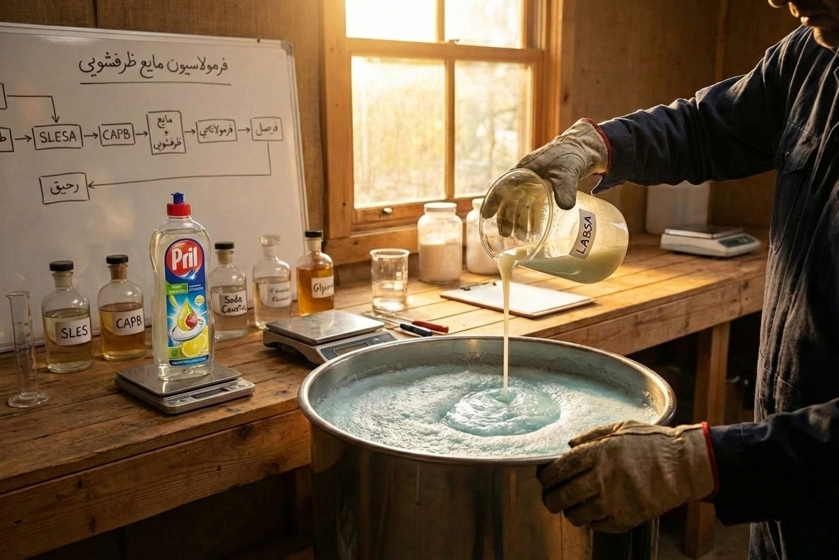
how to make dish washer
The materials needed to make the dishwashing liquid formulation are: linear alkylbenzene sulfonic acid (LABSA), sodium hydroxide (caustic soda), cocoamidopropyl betaine (CAPB), coconut diethanolamide (CDEA), sodium lauryl ether sulfate (SLES), Sodium Lauryl Sulfate (SLES), Propylene Glycol, Glycerin, Color, Fragrance and Water.
-
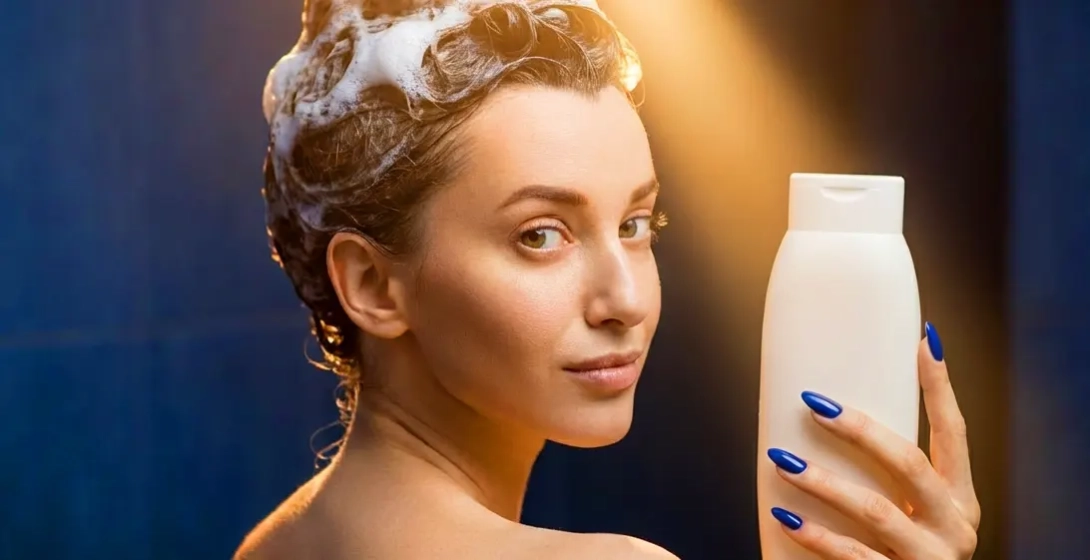
how to make hair shampoo
Do you want to produce shampoo for a specific type of hair? Oily hair, dry hair, dandruff, etc.? While essentially the same formula is required to produce all of the above products, you can add and modify specific ingredients for specific markets. The AustraLab program includes many shampoos, conditioners, styling aids and finished product formulas that you can tweak to create endless combinations. You can start your own profitable business as a private label hair care manufacturer or make conditioners and shampoos for your salon.
-
how to make toilet liquid
Commercial and economic grade liquid soap formulation The ingredients required to make the liquid toilet soap formulation are: water, sodium lauryl ether sulfate (70%), sodium lauryl sulfate, softener, foam enhancer, skin softener, vitamin E, glycerin acid, glycerin, glycerin, glycerin, Glycerin, glycerin and fatty acids, fragrance