Urea
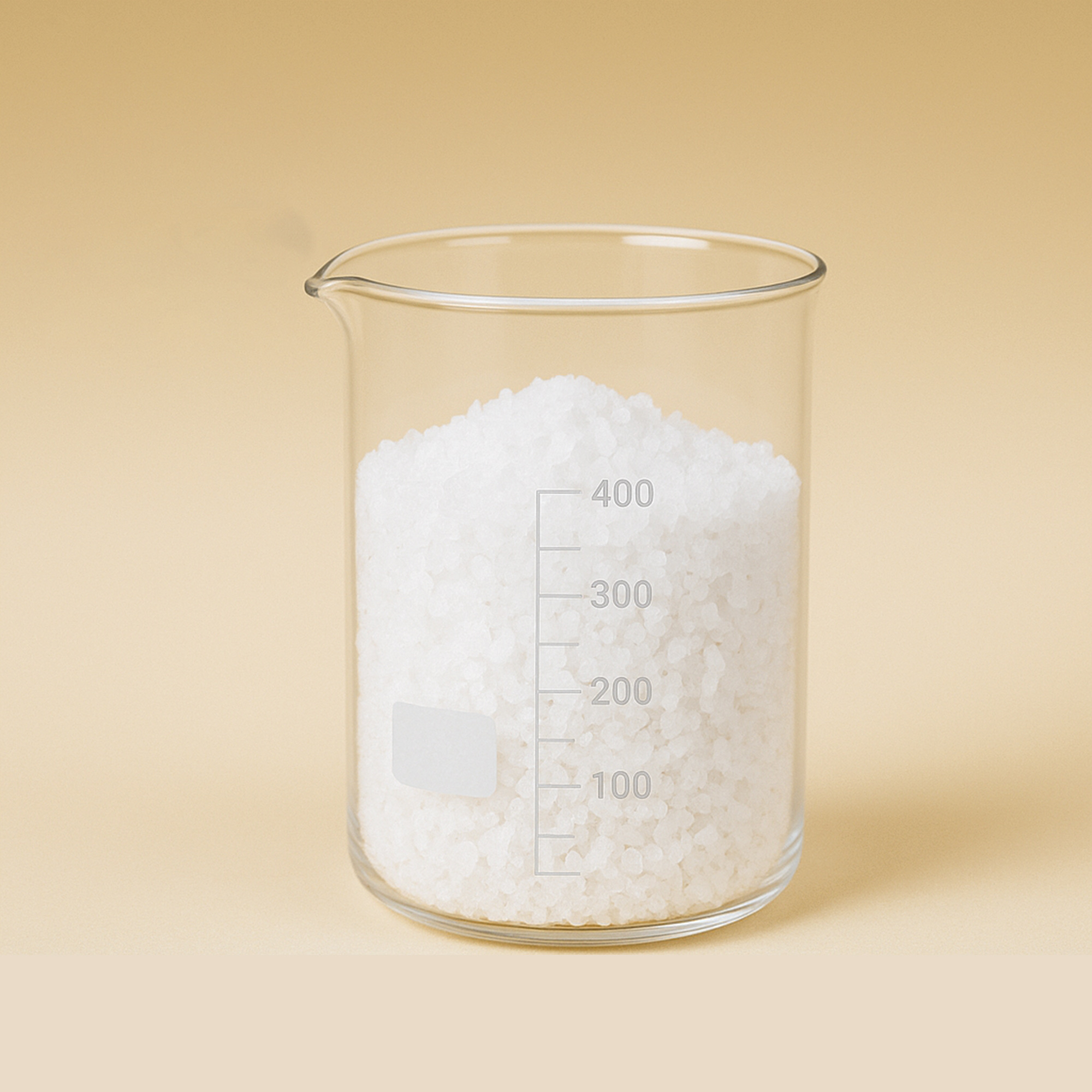
Urea is a byproduct of protein metabolism in the liver of humans and animals and is found in urine
Methods of Urea Production:
Natural Method: Urea is a byproduct of protein metabolism in the liver of humans and animals and is found in urine.
Industrial Method (Synthesis from Ammonia and Carbon Dioxide):
The reaction of ammonia (NH₃) and carbon dioxide (CO₂) is carried out under pressure and temperature.
This method allows for the production of high-purity urea in industrial quantities and is used in large factories worldwide.
Storage Conditions for Urea:
- Should be stored in dry and cool bags or silos.
- The storage environment should have proper ventilation.
- Contact with acidic materials and excessive moisture should be avoided.
- Use of gloves and masks is recommended during handling.
Applications of Urea:
- Agricultural Industry: It is used as the main nitrogen fertilizer to supply the nitrogen required by plants.
- Chemical Industry: It is used in the production of urea-formaldehyde resins, adhesives, and plastics.
- Pharmaceutical and Cosmetic Industries: It is used in creams and skin care products for moisturizing and softening.
- Animal Feed and Poultry: It serves as a nitrogen source in animal and poultry feed supplements.
Hazards and Safety Tips for Urea:
- Urea is relatively non-toxic, but prolonged contact with the skin may cause irritation.
- Inhalation of its dust can cause respiratory irritation.
- Urea solution is not corrosive, but in industrial conditions, safety equipment should be used.
Packaging of Urea:
Urea is available in plastic bags or jumbo bags of 25, 50, and 1000 kg.


-
Acetic Acid and the Role of Saba Shimi Mehr in Chemical Industries
Acetic acid (CH3COOH) is one of the most critical chemical compounds in the industry. Due to its unique properties, it is utilized across diverse sectors ranging from food production to pharmaceuticals. Known commonly as ethanoic acid, this weak acid is recognized as a fundamental building block in the synthesis of organic compounds. In Iran, leading companies such as Saba Shimi Mehr play a key role in meeting domestic industrial demands by focusing on the production and distribution of high-quality chemicals. By leveraging modern technologies, this company produces and supplies acetic acid in accordance with global standards.
-
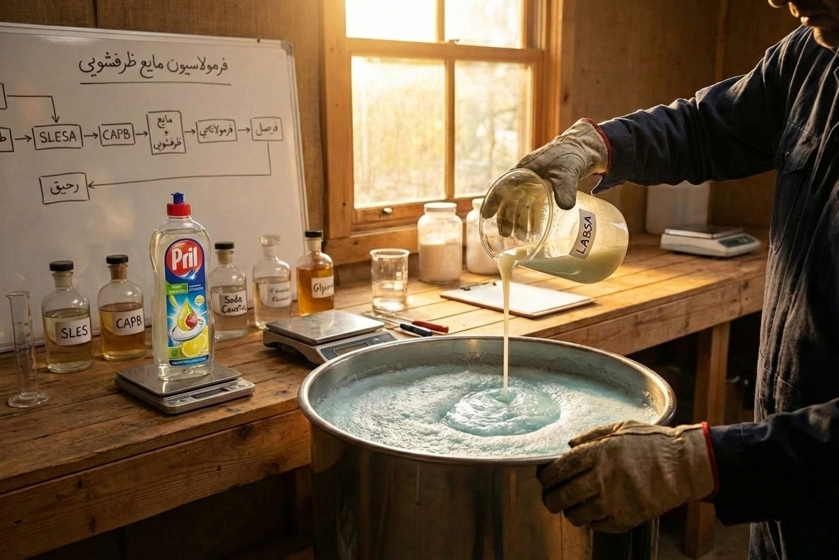
how to make dish washer
The materials needed to make the dishwashing liquid formulation are: linear alkylbenzene sulfonic acid (LABSA), sodium hydroxide (caustic soda), cocoamidopropyl betaine (CAPB), coconut diethanolamide (CDEA), sodium lauryl ether sulfate (SLES), Sodium Lauryl Sulfate (SLES), Propylene Glycol, Glycerin, Color, Fragrance and Water.
-
how to make hair shampoo
Do you want to produce shampoo for a specific type of hair? Oily hair, dry hair, dandruff, etc.? While essentially the same formula is required to produce all of the above products, you can add and modify specific ingredients for specific markets. The AustraLab program includes many shampoos, conditioners, styling aids and finished product formulas that you can tweak to create endless combinations. You can start your own profitable business as a private label hair care manufacturer or make conditioners and shampoos for your salon.
-
how to make toilet liquid
Commercial and economic grade liquid soap formulation The ingredients required to make the liquid toilet soap formulation are: water, sodium lauryl ether sulfate (70%), sodium lauryl sulfate, softener, foam enhancer, skin softener, vitamin E, glycerin acid, glycerin, glycerin, glycerin, Glycerin, glycerin and fatty acids, fragrance