Lauramide (lauramide)
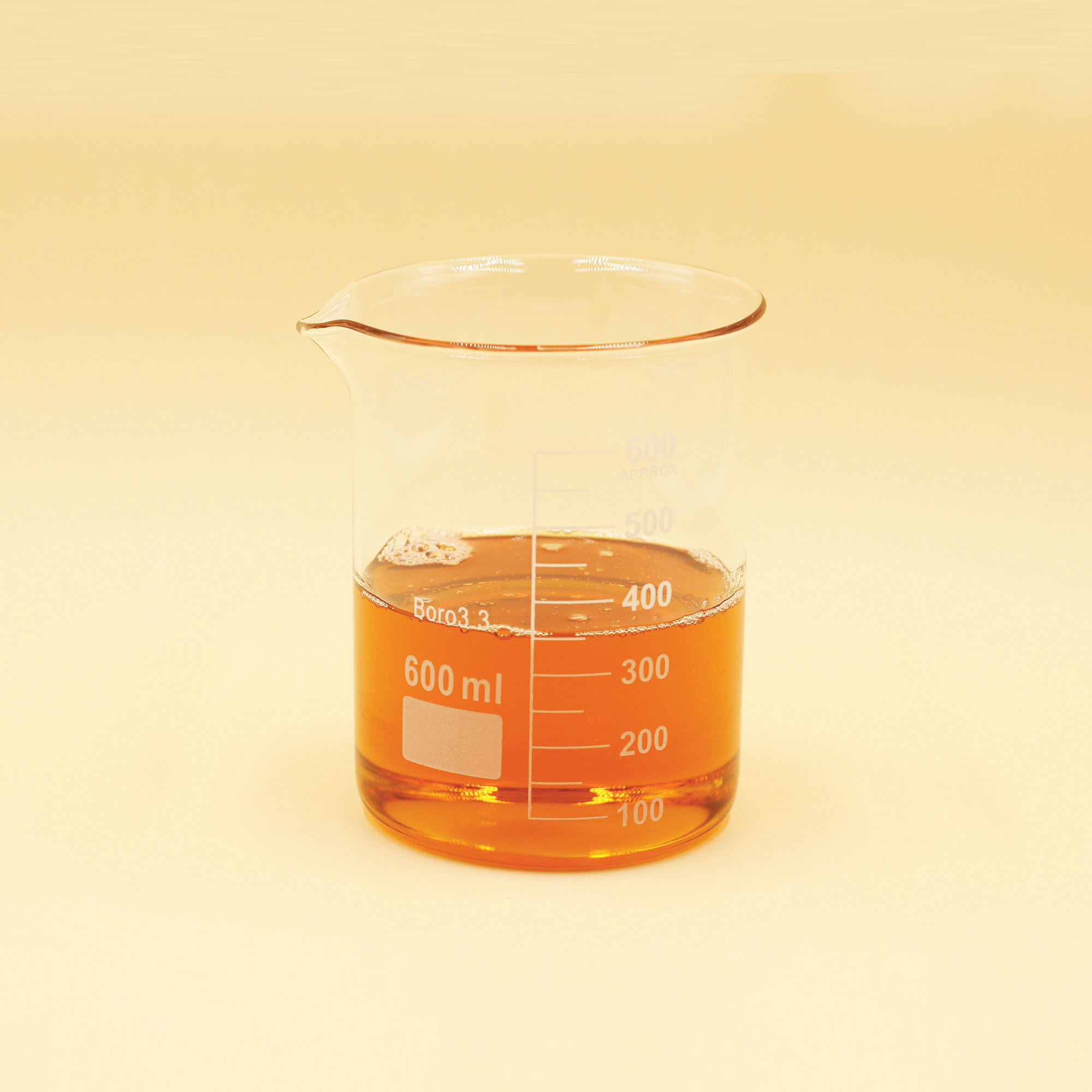
Loramide is a yellow viscous liquid, and since it is an oil, it does not dissolve in water and remains floating in water
But it is soluble in compounds such as alcohol, propylene glycol and polyethylene glycol
Its solution is mostly alkaline and it gets its alkaline property from the amine in its composition
Synonyms of Loramide:
CDEA/coconut DEA/cocamide diethanolamine/cocamide DEA/coco diethanolamine
Chemical safety:
Acutely toxic/irritant
Molecular formula of Loramide:
RCON(CH2CH2OH)2
Appearance of Loramide:
Loramide is a pale yellow thick liquid.
Definition of Loramide
Lauramide, coconut diethanolamide, is a mixture of amines that can neutralize acids. Coconut diethanolamide has stabilizing properties. This material is used as a corrosion inhibitor in metalworking fluids and polishing materials. It has other benefits that include disinfecting, moisturizing and anti-static properties. It is also a softener, thickener, foaming agent and foam stabilizer in laundry detergent formulas. Combining with other anionic surfactants such as sulfonic acid, coconut diethanolamide significantly improves the foaming ability of the formula and makes the final product stable and long-lasting. (CDEA) can soften fibrous textiles, making it particularly suitable for use in washing formulas for stiff natural and animal fibers. Adding coconut diethanolamide to laundry detergent significantly increases the washing effects.
Loramide is a yellow viscous liquid, and since it is an oil, it does not dissolve in water and remains floating in water
But it is soluble in compounds such as alcohol, propylene glycol and polyethylene glycol
Its solution is mostly alkaline and it gets its alkaline property from the amine in its composition
It is one of the raw materials of detergent industries, which has antistatic properties, foam enhancer, surfactant and viscosity controller.
Its liquid type is pale yellow and its solid type is between white and pale yellow.
Loramide production method:
Loramide is produced during a condensation reaction in a mixture of lauric acid and myristic acid with diethanolamine with a molar ratio of 1:1 and 2:1
Applications of Loramide:
(CDEA) is commonly used as a foaming agent in shampoos, hand soaps, and bath products. In addition, this substance is used in various types of cosmetics, including hair dye and lipstick. And it is used as a foaming agent in detergents such as dishwashing liquid
So, the most important applications of loride are in the following cases:
- Production of detergents
- Household cleaners
- cosmetic products
- Production of liquid soaps
Don't: There is no danger in using this substance in personal care and detergents, but it is not recommended to use this substance at the same time with products containing nitrogen
packing: Loramid is supplied in 200 kg barrels


-
Acetic Acid and the Role of Saba Shimi Mehr in Chemical Industries
Acetic acid (CH3COOH) is one of the most critical chemical compounds in the industry. Due to its unique properties, it is utilized across diverse sectors ranging from food production to pharmaceuticals. Known commonly as ethanoic acid, this weak acid is recognized as a fundamental building block in the synthesis of organic compounds. In Iran, leading companies such as Saba Shimi Mehr play a key role in meeting domestic industrial demands by focusing on the production and distribution of high-quality chemicals. By leveraging modern technologies, this company produces and supplies acetic acid in accordance with global standards.
-
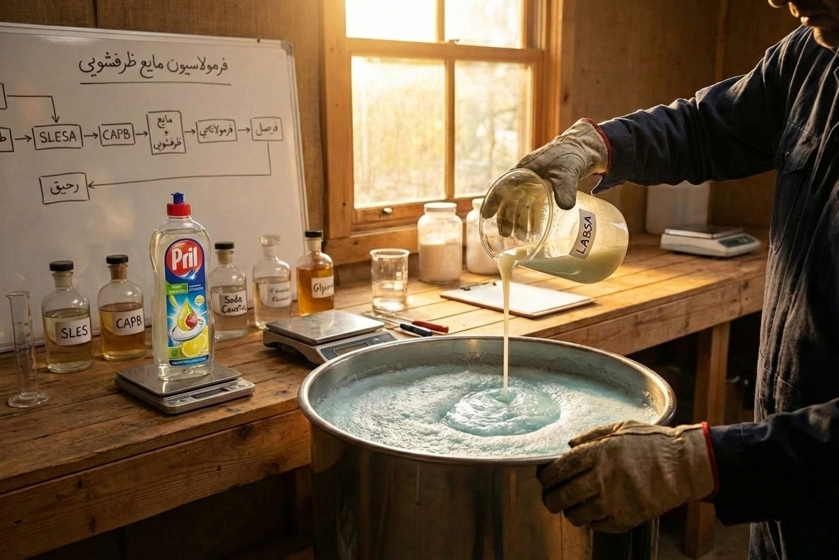
how to make dish washer
The materials needed to make the dishwashing liquid formulation are: linear alkylbenzene sulfonic acid (LABSA), sodium hydroxide (caustic soda), cocoamidopropyl betaine (CAPB), coconut diethanolamide (CDEA), sodium lauryl ether sulfate (SLES), Sodium Lauryl Sulfate (SLES), Propylene Glycol, Glycerin, Color, Fragrance and Water.
-
how to make hair shampoo
Do you want to produce shampoo for a specific type of hair? Oily hair, dry hair, dandruff, etc.? While essentially the same formula is required to produce all of the above products, you can add and modify specific ingredients for specific markets. The AustraLab program includes many shampoos, conditioners, styling aids and finished product formulas that you can tweak to create endless combinations. You can start your own profitable business as a private label hair care manufacturer or make conditioners and shampoos for your salon.
-
how to make toilet liquid
Commercial and economic grade liquid soap formulation The ingredients required to make the liquid toilet soap formulation are: water, sodium lauryl ether sulfate (70%), sodium lauryl sulfate, softener, foam enhancer, skin softener, vitamin E, glycerin acid, glycerin, glycerin, glycerin, Glycerin, glycerin and fatty acids, fragrance