Methanol
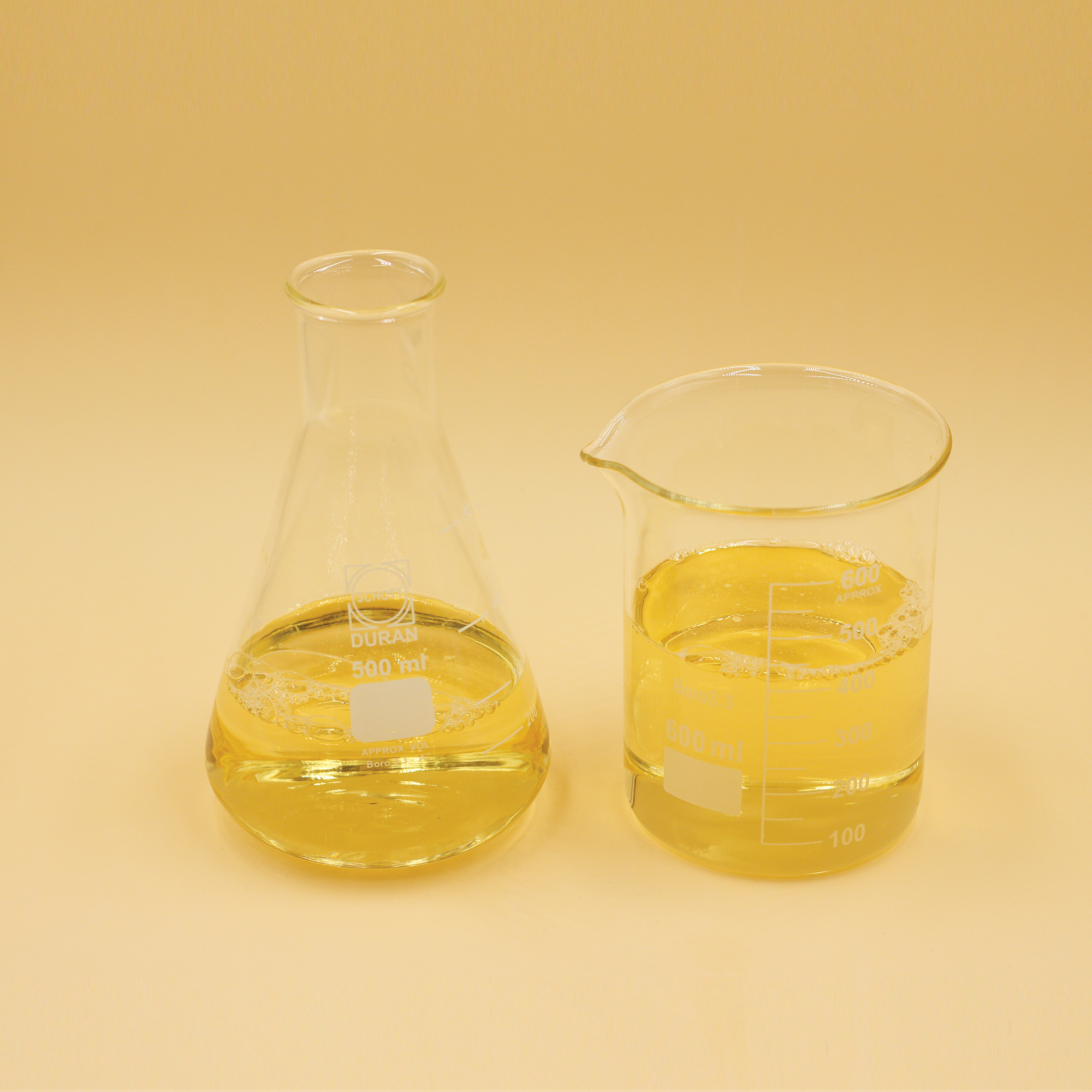
Wood alcohol or methanol is produced from petroleum product (synthesis gas) through hydrogenation of CO and CO2 and reverse gas-water shift reaction, doping of manganese catalyst to Cu/Zn/Zr can increase its production rate. Catalysts that have the ability to work at low temperatures, such as copper, are used for efficient methanol production.
Specifications for buying methanol (methylol)
Physical-chemical properties of methanol (methylol)
Chemical formula of methanol: CH3OH
Methanol molecular weight: 32.04 g/ml
Other names of methanol: wood alcohol - methyl alcohol - carbinol - methyl alcohol (Carbinol; Methyl alcohol; Methyl hydroxide; Wood alcohol)
Grade (methanol): laboratory methanol grade - industrial methanol grade
Purity percentage of methanol: 98%
Physical state of methanol: colorless, transparent and volatile liquid.
Methanol Color: Colorless
Density of methanol: 0.78 g/cm3 at 25°C
Density of methanol: 0.791 g/mL at 25°C
Vapor pressure of methanol: 02.13 kPa at 20°C
Vapor density of methanol: 1/11 (vs air)
Methanol Storage Temperature: Room temperature
Methanol Water Solubility: Soluble in water
Freezing point of methanol: -97.8 degrees Celsius
Boiling point of methanol: 64.5 ºC[p1]
Sales details of methanol (methylol):
Methanol packaging: Methanol is supplied in barrels.
Weight of each barrel of methanol: 200 kg
Methanol (methylol) production method
Wood alcohol or methanol is produced from petroleum product (synthesis gas) through hydrogenation of CO and CO2 and reverse gas-water shift reaction, doping of manganese catalyst to Cu/Zn/Zr can increase its production rate. Catalysts that have the ability to work at low temperatures, such as copper, are used for efficient methanol production. Natural gas is the most economical and widely used raw material for methanol production. However, other raw materials such as coal are used as feedstock for methanol production, especially in China. Methanol was previously produced by the destructive distillation of wood. The modern method of methanol preparation is based on the direct combination of carbon monoxide gas and hydrogen in the presence of a catalyst.
In fact, in general, the production of methanol includes seven stages:
- Feed preparation
- Synthesis gas production
- Synthesis gas density
- Methanol synthesis
- Methanol purification
- Steam and condensate system
- Storage and loading
Applications of methanol (methylol)
Methanol derivatives are used to make many compounds, such as paints, resins, medicines, perfumes, as fixatives in the laboratory, solvents, antifreezes, as coolants in refrigerators, explosives, plastics, laminates, various varnishes, glue industry and Home use
Methanol is used on a limited basis to fuel internal combustion engines, primarily because it is not nearly as flammable as gasoline and produces only one-eighth as much heat.
Methanol In some wastewater treatment plants, a small amount of methanol is added to the wastewater to provide a carbon food source for disinfecting bacteria, which convert nitrates to nitrogen to reduce from sensitive aquifer treatment.
Due to the foreseeable shortage of energy sources in the future, the direct consumption of industrial alcohol as a clean fuel or in the production of hydrogen for fuel cells has received much attention.
Methanol is also used in the production of dimethyl ether (DME) and as a substitute for gas oil.
-
Acetic Acid and the Role of Saba Shimi Mehr in Chemical Industries
Acetic acid (CH3COOH) is one of the most critical chemical compounds in the industry. Due to its unique properties, it is utilized across diverse sectors ranging from food production to pharmaceuticals. Known commonly as ethanoic acid, this weak acid is recognized as a fundamental building block in the synthesis of organic compounds. In Iran, leading companies such as Saba Shimi Mehr play a key role in meeting domestic industrial demands by focusing on the production and distribution of high-quality chemicals. By leveraging modern technologies, this company produces and supplies acetic acid in accordance with global standards.
-
how to make dish washer
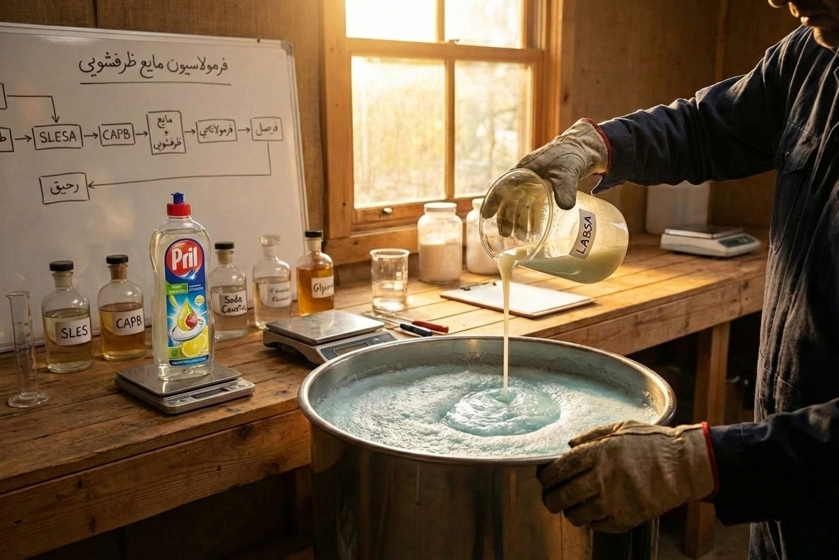
The materials needed to make the dishwashing liquid formulation are: linear alkylbenzene sulfonic acid (LABSA), sodium hydroxide (caustic soda), cocoamidopropyl betaine (CAPB), coconut diethanolamide (CDEA), sodium lauryl ether sulfate (SLES), Sodium Lauryl Sulfate (SLES), Propylene Glycol, Glycerin, Color, Fragrance and Water.
-
how to make hair shampoo
Do you want to produce shampoo for a specific type of hair? Oily hair, dry hair, dandruff, etc.? While essentially the same formula is required to produce all of the above products, you can add and modify specific ingredients for specific markets. The AustraLab program includes many shampoos, conditioners, styling aids and finished product formulas that you can tweak to create endless combinations. You can start your own profitable business as a private label hair care manufacturer or make conditioners and shampoos for your salon.
-
how to make toilet liquid
Commercial and economic grade liquid soap formulation The ingredients required to make the liquid toilet soap formulation are: water, sodium lauryl ether sulfate (70%), sodium lauryl sulfate, softener, foam enhancer, skin softener, vitamin E, glycerin acid, glycerin, glycerin, glycerin, Glycerin, glycerin and fatty acids, fragrance