Sodium hypochlorite water
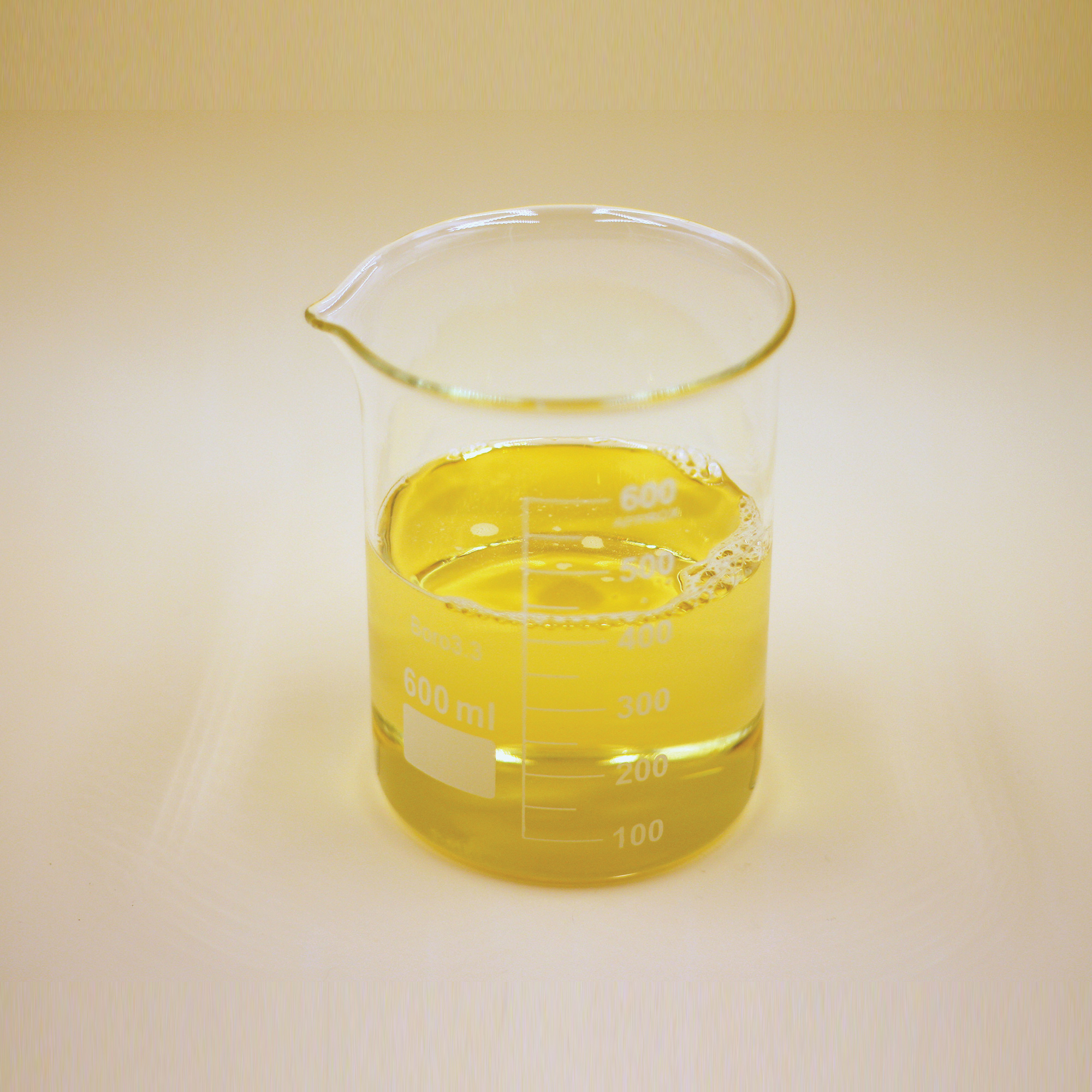
Javal water is available in 250, 260 and 270 liter barrels
The method of producing sodium hypochlorite water:
Javal water is prepared by passing chlorine gas in sodium hydroxide solution. Among the tests that are performed on Javal water is determining the amount of free chlorine and determining the amount of NaOH.
Production of brine water by injecting chlorine gas into caustic soda
If chlorine gas is introduced into the caustic soda solution, brine will be produced. Note that all its tanks and pipes must be made of PVC. Because chlorine gas combines with any metal in the vicinity of moisture, it will cause corrosion.
When caustic soda is poured into the tank, chlorine gas is introduced from the bottom. The desire to combine chlorine gas with profit is high, then chlorine gas reaches the surface of the tank from the bottom of the tank and is absorbed. As a result, the lower the output of chlorine gas from the tank surface, the better the reaction of the production of brine water. Here, it should be noted that the temperature does not rise above 42 degrees Celsius.
Production of jaw water by electrolysis of NaCl solution
In this method, electrolysis of sodium chloride solution is used to prepare this substance. Electrolytic cells do not have a diaphragm, but they are used in cases of high current and neutral solution.
And there are other ways to produce javel water, such as sodium bicarbonate reaction with calcium hypochlorite, combination of ozone and salt, oxidation of metals and complexes, javel water reaction with acetone and other reactions of sodium hypochlorite.
Applications of sodium hypochlorite
Javel water in disinfecting surfaces, bleaching surfaces, making detergent and sanitary raw materials, detoxifying cyanide baths for use in metal industries, removing odors with Javel water, using Javel water in industry, disinfectant in dairies, water tanks, laboratory , clothes, places of food preparation and distribution, hospital, preventing the growth of algae and fungi in cooling towers, deactivating agricultural toxins including aflatoxins, purifying and disposing of wastewater, purifying drinking water with the help of chlorination, treating wounds and healing , dentistry, medicine (treatment of burns and wounds), pharmaceutical, agriculture, chemical industry, paint and lime industry, food industry, waste disposal industry, glass industry, paper and pulp industry, health industry, beverage, disposal Stains, aquatic industries, food processing, electroplating, textile industries, as a deodorizing and deodorizing solution, as a neutralizer of hydrogen sulfur gas and ammonia gas, dentistry, etc.
-
Acetic Acid and the Role of Saba Shimi Mehr in Chemical Industries
Acetic acid (CH3COOH) is one of the most critical chemical compounds in the industry. Due to its unique properties, it is utilized across diverse sectors ranging from food production to pharmaceuticals. Known commonly as ethanoic acid, this weak acid is recognized as a fundamental building block in the synthesis of organic compounds. In Iran, leading companies such as Saba Shimi Mehr play a key role in meeting domestic industrial demands by focusing on the production and distribution of high-quality chemicals. By leveraging modern technologies, this company produces and supplies acetic acid in accordance with global standards.
-
how to make dish washer
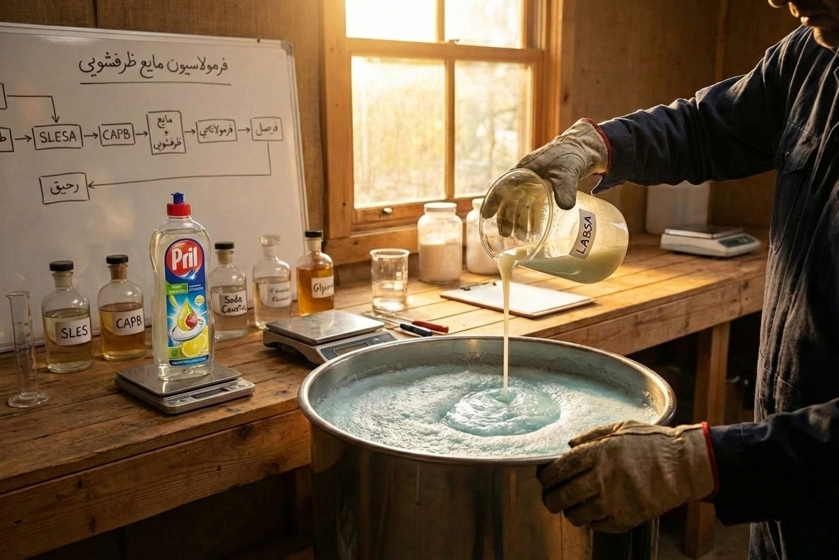
The materials needed to make the dishwashing liquid formulation are: linear alkylbenzene sulfonic acid (LABSA), sodium hydroxide (caustic soda), cocoamidopropyl betaine (CAPB), coconut diethanolamide (CDEA), sodium lauryl ether sulfate (SLES), Sodium Lauryl Sulfate (SLES), Propylene Glycol, Glycerin, Color, Fragrance and Water.
-
how to make hair shampoo
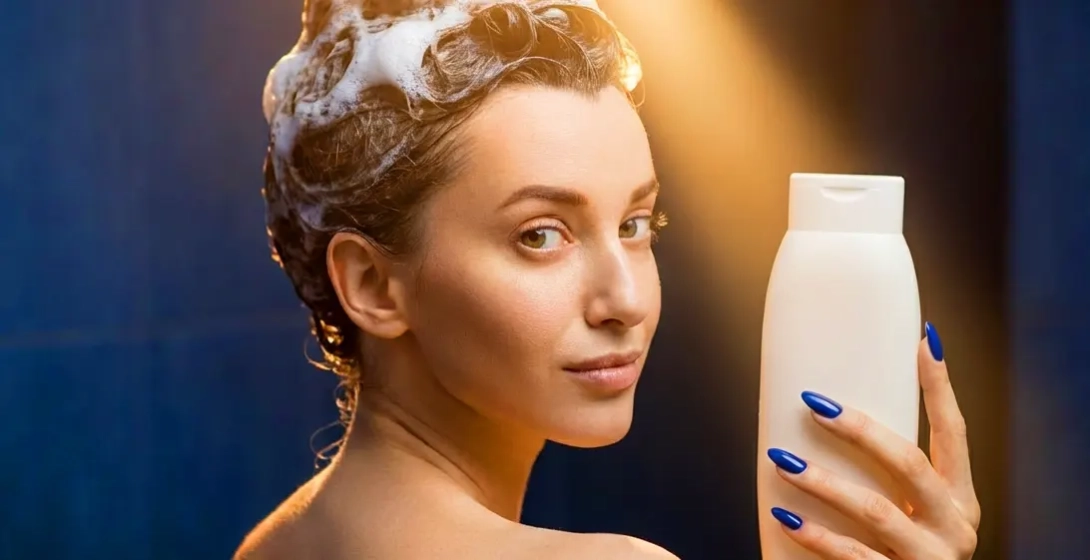
Do you want to produce shampoo for a specific type of hair? Oily hair, dry hair, dandruff, etc.? While essentially the same formula is required to produce all of the above products, you can add and modify specific ingredients for specific markets. The AustraLab program includes many shampoos, conditioners, styling aids and finished product formulas that you can tweak to create endless combinations. You can start your own profitable business as a private label hair care manufacturer or make conditioners and shampoos for your salon.
-
how to make toilet liquid
Commercial and economic grade liquid soap formulation The ingredients required to make the liquid toilet soap formulation are: water, sodium lauryl ether sulfate (70%), sodium lauryl sulfate, softener, foam enhancer, skin softener, vitamin E, glycerin acid, glycerin, glycerin, glycerin, Glycerin, glycerin and fatty acids, fragrance