Betaine (Coconut diethanolanide)
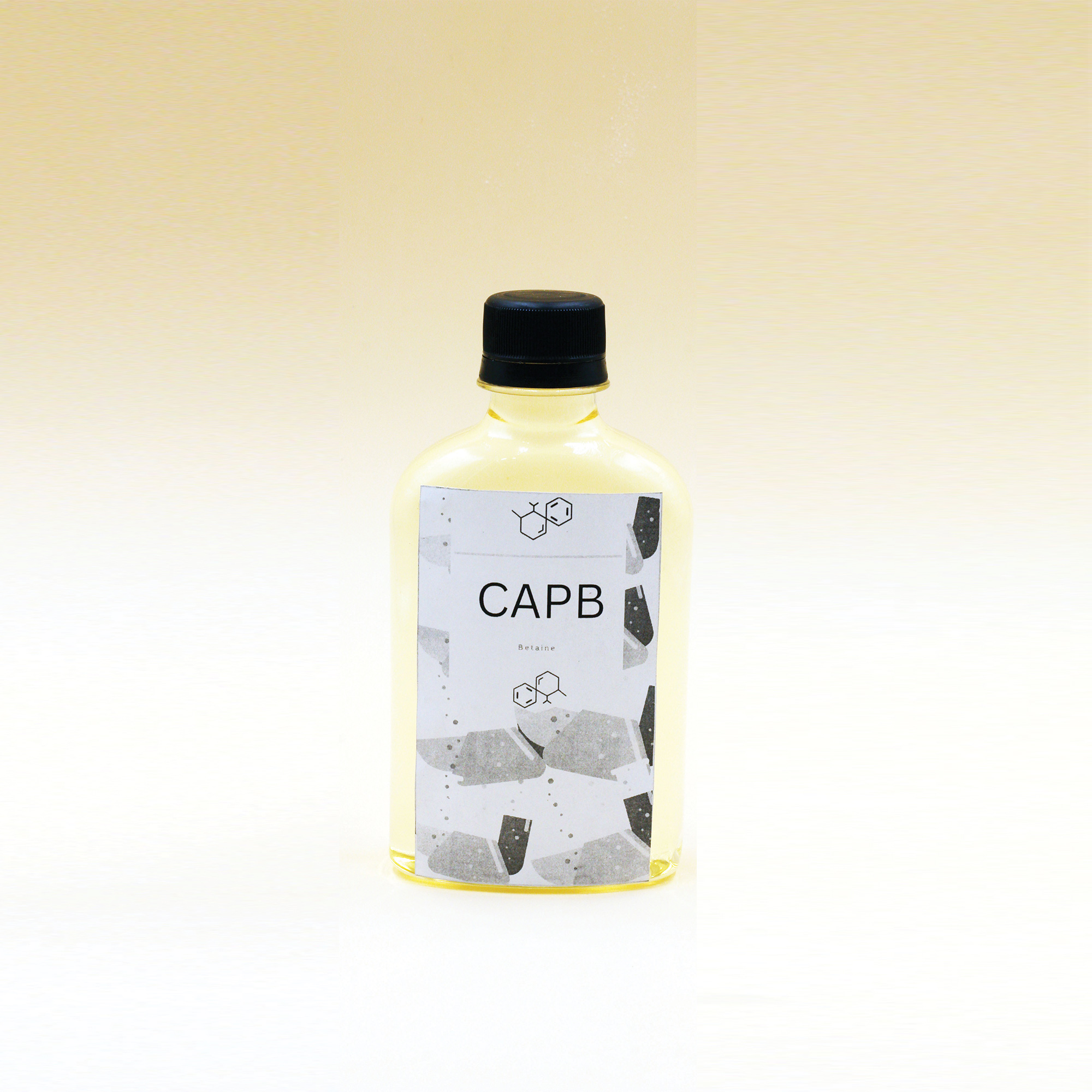
Cocamidopropyl Betaine (CAPB) is a mixture of highly related organic compounds, extracted from coconut oil and dimethylaminopropylamine. CAPB is a pale yellow viscous solution and is used as a surfactant in skin care products. The name of the substance indicates that the major and important part of the molecule, which is the lauric acid group, is derived from coconut oil. CAPB has largely replaced cocamide DEA
Cocamidopropyl betaine/lauryl amide propyl betaine
Chemical safety:
Corrosive/irritant/environmental hazard
Molecular formula of betaine:
C19H38N2O3
Appearance of betaine:
It has a liquid appearance
Definition of betaine
Cocamidopropyl Betaine (CAPB) is a mixture of highly related organic compounds, extracted from coconut oil and dimethylaminopropylamine. CAPB is a pale yellow viscous solution and is used as a surfactant in skin care products. The name of the substance indicates that the major and important part of the molecule, which is the lauric acid group, is derived from coconut oil. CAPB has largely replaced cocamide DEA
Betaine with the formula C19H38N2O3 is used with excellent stability in both acidic and alkaline conditions. It dissolves easily in water and has high foam, softness, anti-static and hard water resistance. Betaine can significantly improve the softness, conditioning and low temperature stability of laundry products. It also has low sensitivity, mild performance. It is suitable for preparing shampoo, facial cleanser and can increase the softness of hair and skin
Betaine uses:
- In shampoos, soaps, hair conditioners, toothpastes, depilatory creams, makeup removers, body washes, detergents, and cleansers, betaine is commonly used to create a thick lather
- In food supplements: Betaine is used as a food supplement in some food supplements such as vitamins, sports powders and gastrointestinal supplements.
- This combination can help balance homocysteine levels, improve nerve and heart function, maintain joint health, and strengthen the body's immune system
- In detergent products: The main use of betaine in detergent products is as a softening and antistatic agent. Betaine is used as a surface active agent in detergent products such as shampoos, soaps, cleaning liquids and other hygiene products. The benefits of using betaine in
- these products are Softening: Betaine improves the softness and smoothness of detergent products. This material can add softness and softness to the hair, skin and other surfaces in contact with the product
- Anti-static: Betaine acts as a static anti-static agent and can prevent unwanted electrical charge on surfaces. This effect can help prevent static electricity in hair and skin.
- Moisturizing: Betaine creates moisturizing properties in detergent products. It makes the skin and hair have proper moisture and prevents dryness and damages caused by dryness.
- Foaming: Betaine can help the formulation of detergent products and improve their foaming performance. By adding betaine to detergent products, the amount and stability of their foam increases
- pH stability: Betaine can help adjust the pH of detergent products
Specifications for buying Betaine
Betaine formula: C5H11NO2
CAS NO Betaine: 107-43-7
Betaine molecular weight: 117.15 g
Betaine color and taste: White and sweet crystalline solid
Solubility of Betaine: Methanol and Ethanol
Betaine melting point: 293ºC
Betaine packaging: Betaine is supplied in plastic barrels
Weight of each barrel of betaine: 200 kg
-
Acetic Acid and the Role of Saba Shimi Mehr in Chemical Industries
Acetic acid (CH3COOH) is one of the most critical chemical compounds in the industry. Due to its unique properties, it is utilized across diverse sectors ranging from food production to pharmaceuticals. Known commonly as ethanoic acid, this weak acid is recognized as a fundamental building block in the synthesis of organic compounds. In Iran, leading companies such as Saba Shimi Mehr play a key role in meeting domestic industrial demands by focusing on the production and distribution of high-quality chemicals. By leveraging modern technologies, this company produces and supplies acetic acid in accordance with global standards.
-
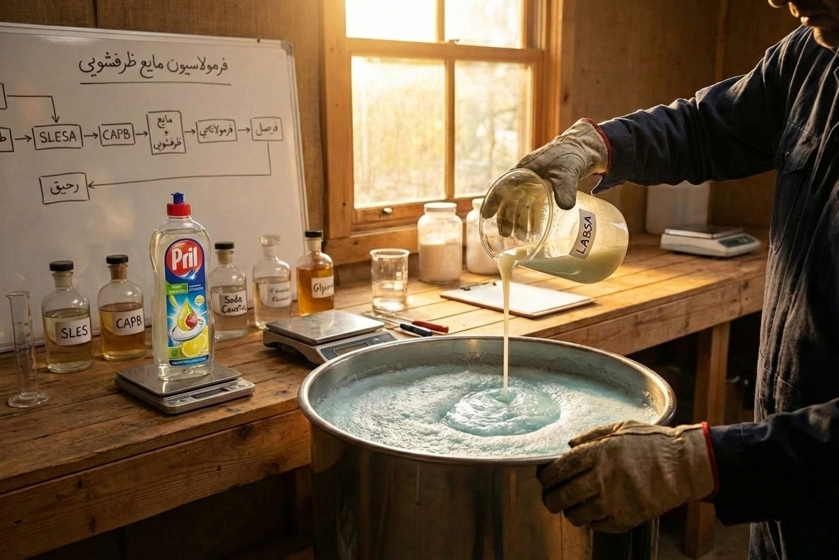
how to make dish washer
The materials needed to make the dishwashing liquid formulation are: linear alkylbenzene sulfonic acid (LABSA), sodium hydroxide (caustic soda), cocoamidopropyl betaine (CAPB), coconut diethanolamide (CDEA), sodium lauryl ether sulfate (SLES), Sodium Lauryl Sulfate (SLES), Propylene Glycol, Glycerin, Color, Fragrance and Water.
-
how to make hair shampoo
Do you want to produce shampoo for a specific type of hair? Oily hair, dry hair, dandruff, etc.? While essentially the same formula is required to produce all of the above products, you can add and modify specific ingredients for specific markets. The AustraLab program includes many shampoos, conditioners, styling aids and finished product formulas that you can tweak to create endless combinations. You can start your own profitable business as a private label hair care manufacturer or make conditioners and shampoos for your salon.
-
how to make toilet liquid
Commercial and economic grade liquid soap formulation The ingredients required to make the liquid toilet soap formulation are: water, sodium lauryl ether sulfate (70%), sodium lauryl sulfate, softener, foam enhancer, skin softener, vitamin E, glycerin acid, glycerin, glycerin, glycerin, Glycerin, glycerin and fatty acids, fragrance