What is Betaine?
Betaine is a naturally occurring chemical compound found in living organisms, including plants, animals, and humans. Due to its unique properties, it has widespread applications in the food, pharmaceutical, cosmetic, and agricultural industries. This article explores the characteristics, benefits, and applications of betaine, while analyzing the role of Saba Shimi Mehr as one of the pioneers in producing this compound in Iran and the Middle East.
What is Betaine?
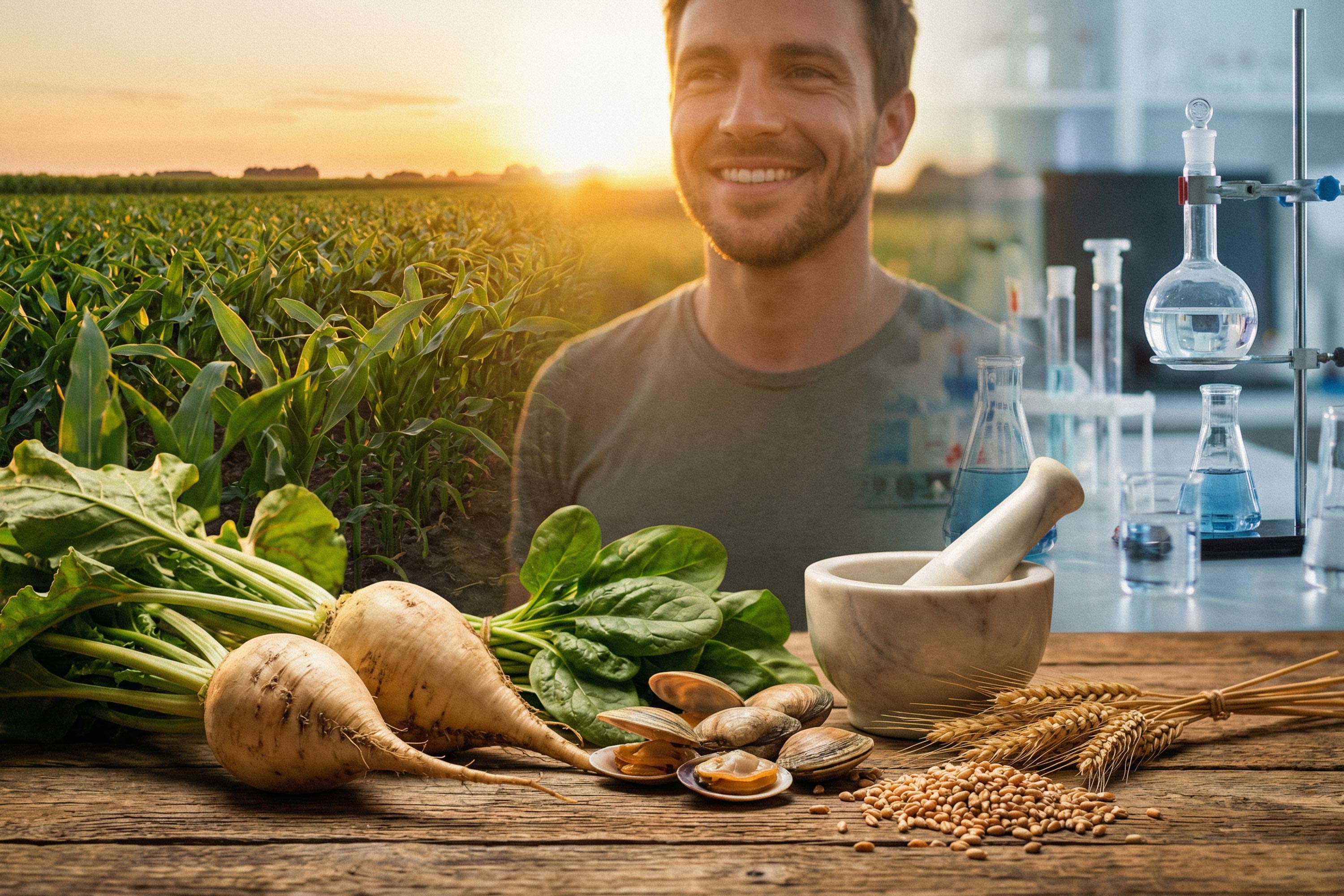
Betaine, scientifically known as Trimethylglycine (TMG), is a quaternary ammonium compound that plays a key role in cellular metabolism. While it was first extracted from sugar beets, it is now obtained from other sources such as wheat, spinach, and seafood.
As a natural osmolyte, betaine helps regulate the osmotic pressure of cells and protects tissues under stress conditions like dehydration or high salinity. These characteristics have led to the rapid growth of betaine use across various industries.
Betaine Production: From Lab to Industry
Although betaine exists naturally in food, its industrial production requires complex chemical and biotechnological processes. In this field, Saba Shimi Mehr has succeeded in producing high-purity betaine by utilizing modern technologies and international standards.
The company employs eco-friendly methods to extract betaine from plant sources, offering it in both powder and liquid forms for industrial use. Precision in the production process and guaranteed product quality have established the company as a reputable supplier of betaine in the region.
Applications in the Food Industry
Betaine is recognized as a beneficial additive in the food industry. Due to its water-binding properties, it is used in the production of processed meats (like sausages and cold cuts) to maintain moisture. In bakery products, betaine improves texture and extends shelf life. By providing food-grade betaine, Saba Shimi Mehr works closely with food manufacturers to meet the industry's demand for safe, natural compounds.
Role in the Cosmetic and Personal Care Industry
In cosmetics, betaine acts as a powerful humectant (moisturizer) and anti-inflammatory agent. In the formulation of shampoos, creams, and lotions, it softens the skin and hair while reducing irritation. The high-purity betaine produced by Saba Shimi Mehr allows Iranian manufacturers to access this valuable material locally, reducing dependency on imports.
Betaine in Pharmaceuticals and Medicine
Studies indicate that betaine is effective in reducing blood homocysteine levels, which helps prevent cardiovascular diseases. Furthermore, this compound is used to treat liver disorders and improve athletic performance. In this sector, Saba Shimi Mehr collaborates with research centers to develop betaine-based pharmaceutical formulations, marking a new step in the Iranian pharmaceutical industry.
Agriculture and Animal Husbandry
The use of betaine in livestock and poultry feed improves growth rates, increases meat quality, and reduces heat stress in animals. In agriculture, it serves as a natural growth stimulant, increasing plant resistance to salinity and drought. By producing specialized agricultural betaine, Saba Shimi Mehr contributes to sustainable development and the reduction of harmful chemical usage in farming.
Future Outlook and Innovations of Saba Shimi Mehr
With the rising demand for natural and low-risk compounds, betaine has become a key material in global industries. Saba Shimi Mehr is investing in Research and Development (R&D) to explore new methods of extracting betaine from agricultural waste. This approach not only reduces production costs but also supports the circular economy and environmental preservation. The company's vision is to become a major hub for betaine production in the Middle East and export to global markets.
Conclusion
As a multipurpose compound, betaine plays a vital role in various industries. From maintaining human health to increasing agricultural productivity, this substance demonstrates the deep link between chemical science and societal needs. Saba Shimi Mehr, focusing on quality, innovation, and social responsibility, serves as a successful model for national production. The alignment of such companies with modern technology ensures a bright future for the country's chemical sector.
-
Acetic Acid and the Role of Saba Shimi Mehr in Chemical Industries
Acetic acid (CH3COOH) is one of the most critical chemical compounds in the industry. Due to its unique properties, it is utilized across diverse sectors ranging from food production to pharmaceuticals. Known commonly as ethanoic acid, this weak acid is recognized as a fundamental building block in the synthesis of organic compounds. In Iran, leading companies such as Saba Shimi Mehr play a key role in meeting domestic industrial demands by focusing on the production and distribution of high-quality chemicals. By leveraging modern technologies, this company produces and supplies acetic acid in accordance with global standards.
-
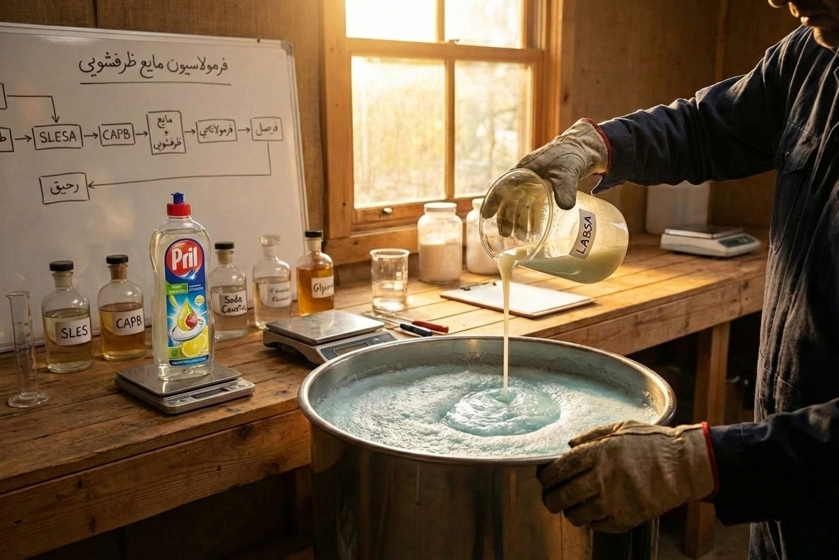
how to make dish washer
The materials needed to make the dishwashing liquid formulation are: linear alkylbenzene sulfonic acid (LABSA), sodium hydroxide (caustic soda), cocoamidopropyl betaine (CAPB), coconut diethanolamide (CDEA), sodium lauryl ether sulfate (SLES), Sodium Lauryl Sulfate (SLES), Propylene Glycol, Glycerin, Color, Fragrance and Water.
-
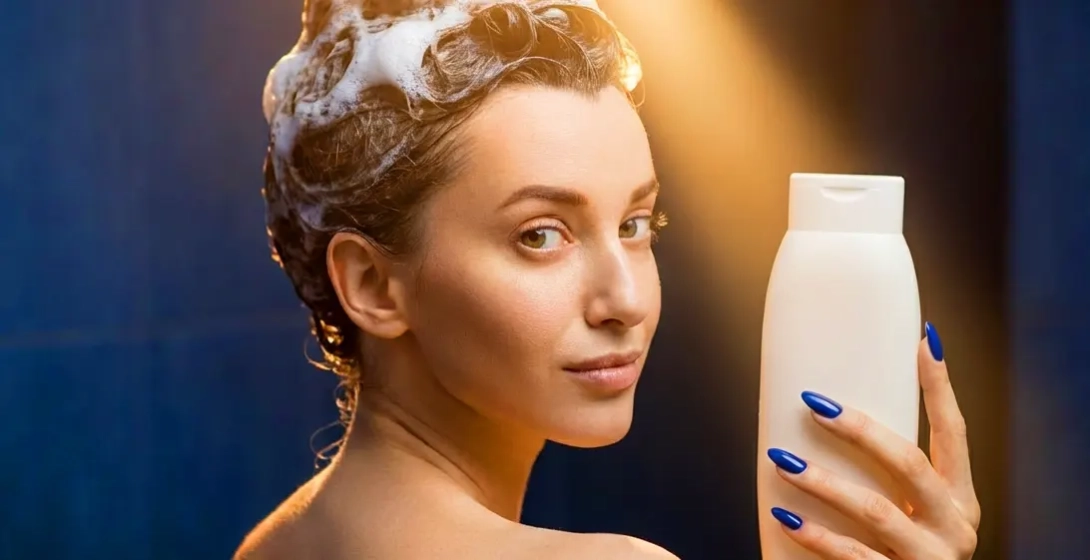
how to make hair shampoo
Do you want to produce shampoo for a specific type of hair? Oily hair, dry hair, dandruff, etc.? While essentially the same formula is required to produce all of the above products, you can add and modify specific ingredients for specific markets. The AustraLab program includes many shampoos, conditioners, styling aids and finished product formulas that you can tweak to create endless combinations. You can start your own profitable business as a private label hair care manufacturer or make conditioners and shampoos for your salon.
-
how to make toilet liquid
Commercial and economic grade liquid soap formulation The ingredients required to make the liquid toilet soap formulation are: water, sodium lauryl ether sulfate (70%), sodium lauryl sulfate, softener, foam enhancer, skin softener, vitamin E, glycerin acid, glycerin, glycerin, glycerin, Glycerin, glycerin and fatty acids, fragrance