texapon
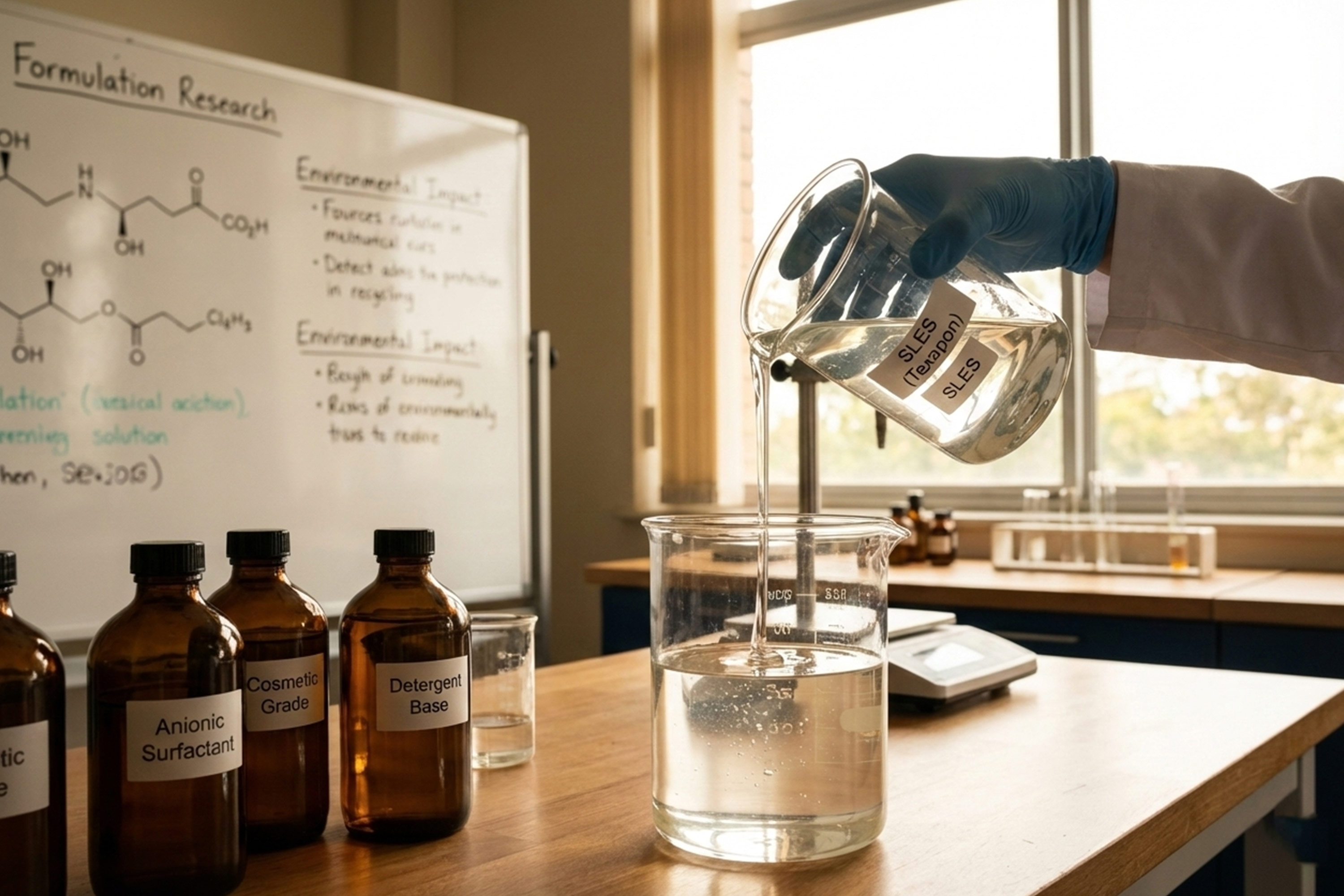
Texapon, chemically known as Sodium Lauryl Ether Sulfate (SLES), is one of the most common anionic surfactants used in the detergent and personal care industries. Due to its powerful foaming and cleansing properties, this substance is a staple in the formulation of many everyday products, including shampoos, liquid hand soaps, dishwashing liquids, and even toothpaste.
Chemical Structure and Characteristics
Texapon is derived from sulfonic acid and ethylene oxide. Its molecular structure consists of a hydrophobic (water-repelling) tail and a hydrophilic (water-attracting) head, which provides its surfactant properties. This structure allows Texapon to dissolve oils and dirt in water, making them easy to rinse away.
Key Features of Texapon:
- High Foaming Capacity: Creates a rich and stable lather in cleaning products.
- Powerful Cleansing: Effectively removes grease and contaminants from various surfaces.
- Skin Compatibility: At appropriate concentrations, it is considered mild for the skin.
- Water Solubility: Dissolves easily in water, simplifying the formulation process.
Applications of Texapon
1- Detergent Industry
- Shampoos: Acts as the primary foaming and cleansing agent.
- Hand and Body Washes: Generates lather and removes impurities.
- Dishwashing Liquids: Helps dissolve grease on dishes.
2- Personal Care Products
- Toothpaste: Creates foam and helps distribute active ingredients.
- Shaving Foams: Acts as a softening and foaming agent.
3- Other Industries
- Used in various industrial and household cleaning products.
Advantages and Disadvantages
Advantages:
- Cost-Effective: Highly affordable and widely available.
- Excellent Performance: Superior performance in lathering and cleaning.
- Compatibility: Works well with other chemicals in various formulations.
Disadvantages:
- Skin Irritation: In high concentrations, it may cause dryness or skin irritation.
- Environmental Concerns: There are concerns regarding its biodegradability, although SLES is generally more environmentally friendly than some other surfactants.
Conclusion
Texapon (SLES) plays a vital role in the detergent and cosmetic industries as a versatile anionic surfactant. Despite certain concerns regarding its effects on the skin and the environment, its effective performance and low cost ensure it remains a primary ingredient in many product formulations. Ongoing research continues to improve these formulations and mitigate its negative impacts.
-
Acetic Acid and the Role of Saba Shimi Mehr in Chemical Industries
Acetic acid (CH3COOH) is one of the most critical chemical compounds in the industry. Due to its unique properties, it is utilized across diverse sectors ranging from food production to pharmaceuticals. Known commonly as ethanoic acid, this weak acid is recognized as a fundamental building block in the synthesis of organic compounds. In Iran, leading companies such as Saba Shimi Mehr play a key role in meeting domestic industrial demands by focusing on the production and distribution of high-quality chemicals. By leveraging modern technologies, this company produces and supplies acetic acid in accordance with global standards.
-
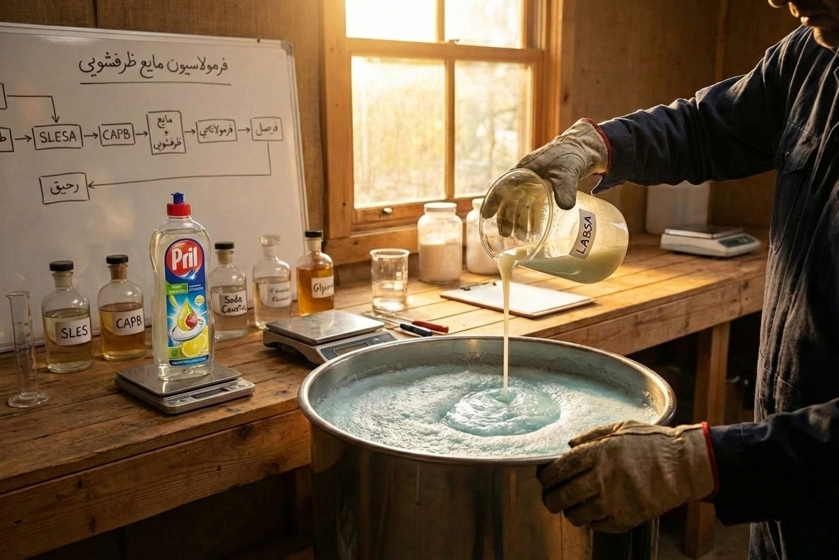
how to make dish washer
The materials needed to make the dishwashing liquid formulation are: linear alkylbenzene sulfonic acid (LABSA), sodium hydroxide (caustic soda), cocoamidopropyl betaine (CAPB), coconut diethanolamide (CDEA), sodium lauryl ether sulfate (SLES), Sodium Lauryl Sulfate (SLES), Propylene Glycol, Glycerin, Color, Fragrance and Water.
-
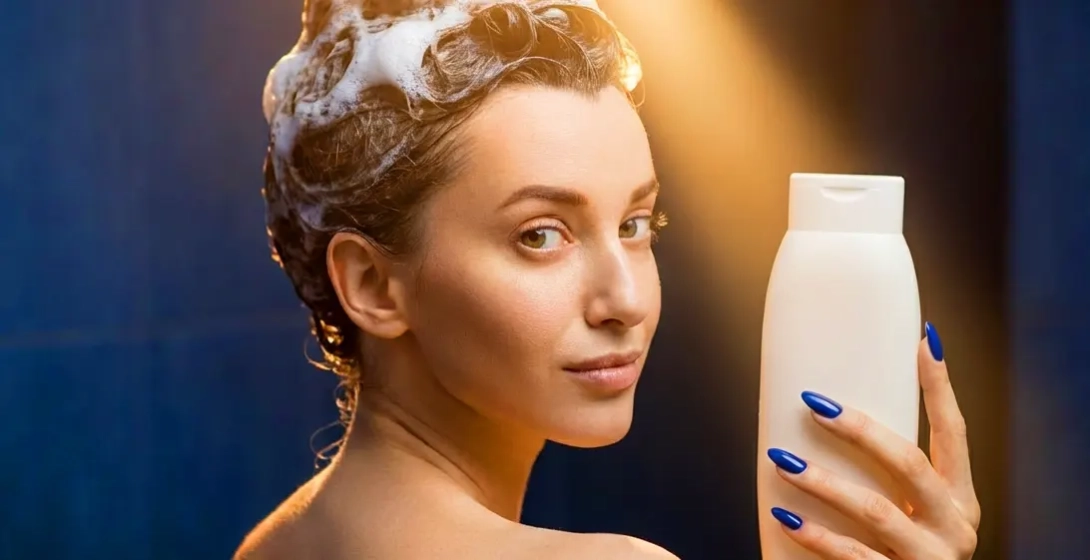
how to make hair shampoo
Do you want to produce shampoo for a specific type of hair? Oily hair, dry hair, dandruff, etc.? While essentially the same formula is required to produce all of the above products, you can add and modify specific ingredients for specific markets. The AustraLab program includes many shampoos, conditioners, styling aids and finished product formulas that you can tweak to create endless combinations. You can start your own profitable business as a private label hair care manufacturer or make conditioners and shampoos for your salon.
-
how to make toilet liquid
Commercial and economic grade liquid soap formulation The ingredients required to make the liquid toilet soap formulation are: water, sodium lauryl ether sulfate (70%), sodium lauryl sulfate, softener, foam enhancer, skin softener, vitamin E, glycerin acid, glycerin, glycerin, glycerin, Glycerin, glycerin and fatty acids, fragrance